Why Your Cheap Import Turns Fuzzy While American Cotton Stays Flawless
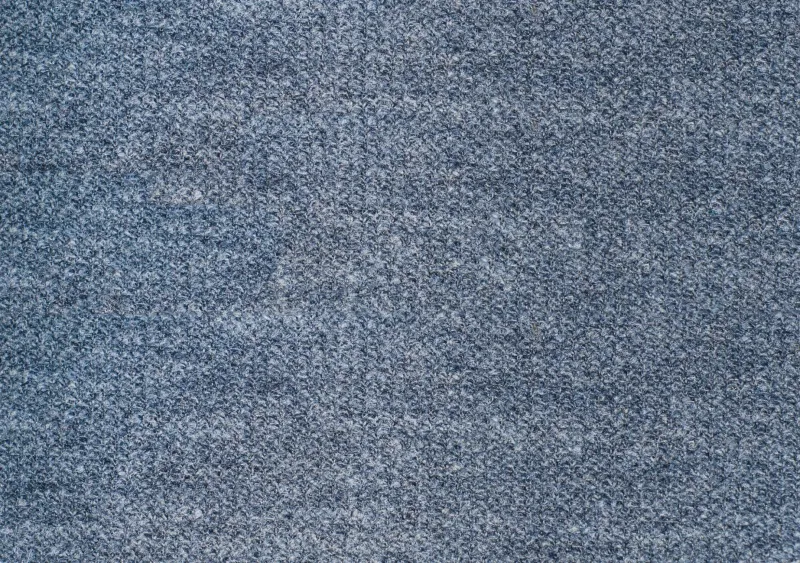
You've been there. A shirt you loved on the rack starts looking rough after a few months — little fuzzy clusters forming across the chest, under the arms, anywhere fabric meets friction. It's called pilling, and once it starts, there's no going back. You can shave it, lint-roll it, even love it anyway, but the damage is done. The question worth asking isn't how to fix pilling — it's why it happens in the first place, and why it almost never happens the same way with well-made American cotton.
The answer isn't magic. It's fiber science, manufacturing standards, and a supply chain that either respects the material or doesn't.
It All Starts in the Field — Literally
Cotton isn't just cotton. The fiber that gets spun into your T-shirt has measurable physical properties, and two of the most important are staple length and micronaire — the length of individual cotton fibers and their fineness, respectively.
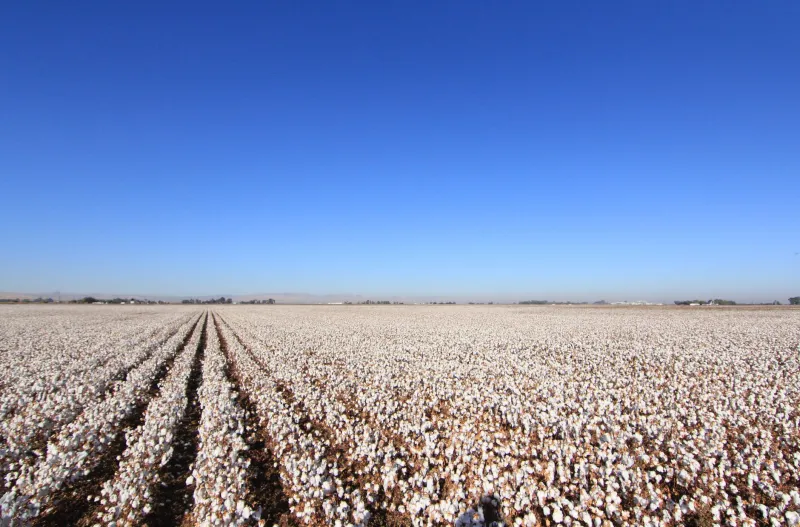
American Upland cotton, the variety grown across the Cotton Belt from Texas to the Carolinas, is carefully cultivated and harvested under conditions designed to preserve those fibers. US growers work with standards set by the USDA's Agricultural Marketing Service, which grades cotton on length, strength, color, and leaf content. That's not bureaucratic box-checking — it directly determines how the fiber will behave once it's been spun, woven, and washed a hundred times.
Longer staple fibers twist together more tightly during spinning. Tightly twisted yarns shed fewer loose fiber ends. Fewer loose ends mean less surface fuzz. Less surface fuzz means — you guessed it — no pilling.
Imported cotton, particularly from regions where harvesting is less mechanically precise or where fiber grades aren't held to comparable standards, often contains shorter, weaker staple fibers. Those shorter fibers don't grip each other as securely during spinning. The yarn is looser. The fabric is softer in your hand at first, sure — but that softness is actually a warning sign. It means those fibers are already halfway to separating.
The Spinning Stage: Where Quality Gets Locked In (or Lost)
Once raw cotton leaves the gin, it heads to a spinning mill. This is where the character of a finished garment really takes shape, and it's where the gap between American-made and cheap imports becomes most dramatic.
US mills — many of them operating in the Carolinas, Georgia, and surrounding states — use ring-spinning technology that wraps fibers around each other continuously, creating a dense, uniform yarn. The process is slower and more expensive than alternatives like open-end spinning, which is commonly used overseas to cut production costs. Open-end spun yarn is faster to produce and cheaper per yard, but the fibers are less intertwined. Under repeated wear and washing, those loose fibers migrate to the surface, clump together, and form pills.
Ring-spun American cotton doesn't just feel better — it's structurally superior. The difference shows up not in the first wash, but in the twentieth, the fiftieth, the hundredth.
Some premium American manufacturers go even further, using combed ring-spun cotton, which runs the fiber through an additional process that removes short fibers and straightens the remaining ones before spinning. The result is a yarn so consistent it almost doesn't look like it could pill — because, under normal conditions, it won't.
Quality Control: The Standard That Doesn't Get Outsourced
Here's something the fast-fashion industry would rather you not think about too hard: when production moves overseas to cut costs, quality control often moves with it — or gets left behind entirely.
American mills operate under domestic labor laws, environmental regulations, and industry standards that require consistent oversight at every stage of production. That's not just good for workers and the environment (though it absolutely is). It also means defects get caught. Inconsistent yarn tension gets corrected. Fabric that doesn't meet spec doesn't ship.
Imported goods, particularly from factories producing at extreme volume and speed, face enormous pressure to keep costs low. Inspection steps get compressed. Fiber blends get quietly adjusted. A shirt labeled "100% cotton" may technically meet that threshold while still incorporating lower-grade fiber or processing shortcuts that accelerate wear.
The Federal Trade Commission does require accurate fiber content labeling on clothing sold in the US, but it doesn't regulate fiber grade or manufacturing process. A garment can be 100% cotton and still be made from the scrappiest, shortest-staple fiber available. The label tells you what's in it — not how good it is.
The Real Cost of Pilling: Running the Numbers
Let's talk money, because this is where the "American cotton is expensive" argument starts to fall apart under scrutiny.
Say you buy three imported cotton tees at $12 each — $36 total. By month four, they're pilling. By month eight, they look worn out. You replace them. That's another $36. Over two years, you've spent $108 on shirts that never looked great past the first few months.
Now say you spend $38 on a single American-made ring-spun cotton tee. It still looks clean and smooth eighteen months later. Two years in, it's broken in beautifully — no pills, no thinning, just a shirt that fits better the more you wear it.
Same two-year window. One option cost you $108 and produced a pile of worn-out fabric headed for a landfill. The other cost you $38 and is still going strong.
This isn't a hypothetical — it's a pattern that plays out in closets across the country every day. The sticker price on American-made cotton looks higher at the register. The actual cost per wear tells a completely different story.
What to Look for When You're Shopping
You don't need a textile degree to shop smarter. A few simple things to check:
Look for ring-spun or combed cotton on the label. Brands that use higher-quality spinning processes tend to say so, because it's a genuine selling point.
Check the weight. Heavier fabric (measured in grams per square meter, or GSM) generally indicates a denser weave with less room for fiber migration. A quality everyday tee usually runs 180–200 GSM or higher.
Ask where it's made. American-made doesn't automatically guarantee quality, but it dramatically increases the odds you're getting fiber and manufacturing that meet higher standards. Look for brands that are transparent about their supply chain — from farm to finished garment.
Feel the hand, but don't be fooled by it. Super-soft fabric right off the shelf can mean short-staple fiber that won't hold up. Quality American cotton often has a slightly more substantial feel that softens naturally with washing rather than starting soft and going downhill.
The Bottom Line
Pilling isn't random bad luck. It's a predictable outcome of fiber quality, spinning method, and manufacturing standards — and it's almost entirely preventable when those things are done right. American cotton's reputation for durability isn't marketing copy. It's the result of longer fibers, tighter spinning, and production oversight that doesn't get cut to hit a price point.
The next time you're weighing a cheap import against an American-made alternative, remember: you're not just buying a shirt. You're buying how that shirt will look and feel after a year of real life. One of those options has already decided it doesn't care about that part. The other one built its entire identity around it.