The Towns That Cotton Built: What Happens to Rural America When You Choose American-Made
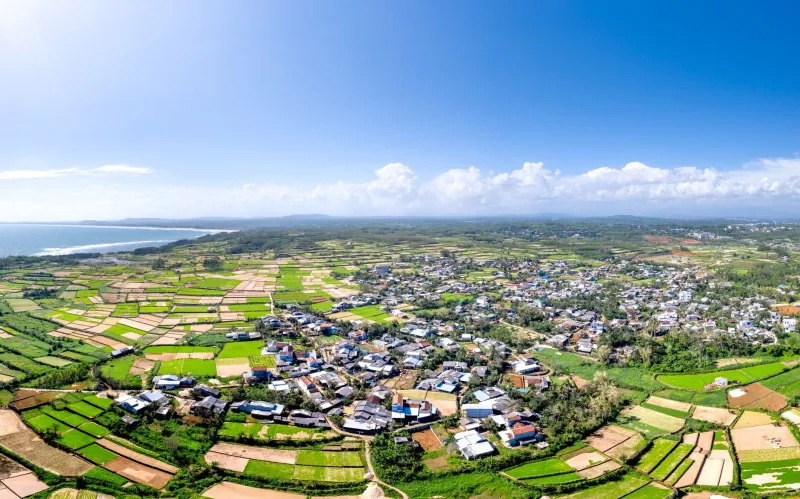
Lubbock, Texas. Greenville, South Carolina. Gadsden, Alabama. Unless you've got family there or you've passed through on a road trip, these names probably don't mean much to you. But in the world of American cotton, they're landmarks — places where the fiber that eventually becomes your favorite t-shirt is grown, ginned, spun, and woven by real people living real lives that are directly shaped by what American consumers decide to buy.
This is a story about economic geography. About what it actually means — on the ground, in specific zip codes — when a shopper chooses domestic cotton over an import. It's less abstract than it sounds.
A Dollar That Doesn't Leave Town
Economists talk about something called the "multiplier effect." The basic idea is simple: money spent locally tends to stay local longer. When a farmer in West Texas sells a bale of American cotton to a domestic mill, that payment doesn't just sit in a bank account. It goes toward seed and equipment purchases from local suppliers. It pays wages to farmhands who spend at the diner down the road. It funds property taxes that keep the county school district running.
Research from the USDA and various state agricultural universities consistently shows that every dollar generated in cotton farming can ripple through a rural economy two to three times before it exits the community. Compare that to the economic impact of buying a shirt made from cotton grown, processed, and assembled entirely abroad — where essentially none of that multiplier effect touches an American town — and the stakes get very clear.
Small cotton-growing communities aren't just farming towns. They're ecosystems. And domestic purchasing decisions are a significant part of what keeps those ecosystems alive.
Meet the People Behind the Fiber
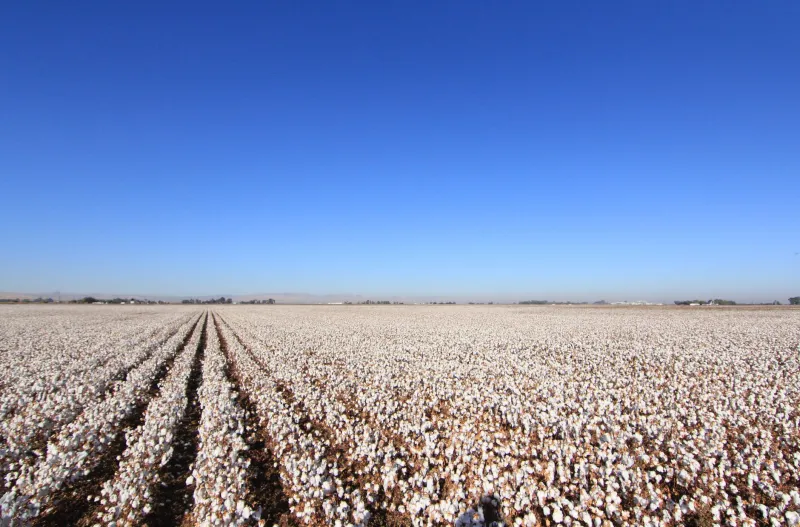
In a small farming community outside Lubbock, the Hargrove family has been growing cotton for four generations. The great-grandfather planted his first crop in the 1940s. Today, a grandson manages the operation — 1,800 acres, a small permanent crew, and a handful of seasonal workers who come back year after year because the work is reliable and the pay is fair.
"When domestic brands are buying American cotton, we feel it," he says. "It's not just the price per pound. It's the stability. It's being able to plan a season, hire people, invest in equipment. When that demand drops — when brands go overseas — you feel that too."
His family's operation supports more than just their own household. There's a local equipment dealer who services their machinery. A fuel supplier. A crop insurance agent. A cotton gin that employs 14 people full-time and another dozen during harvest. All of those jobs — none of them glamorous, most of them invisible to anyone browsing an online clothing store — exist in part because domestic brands are still buying American cotton.
The Mill Town Equation
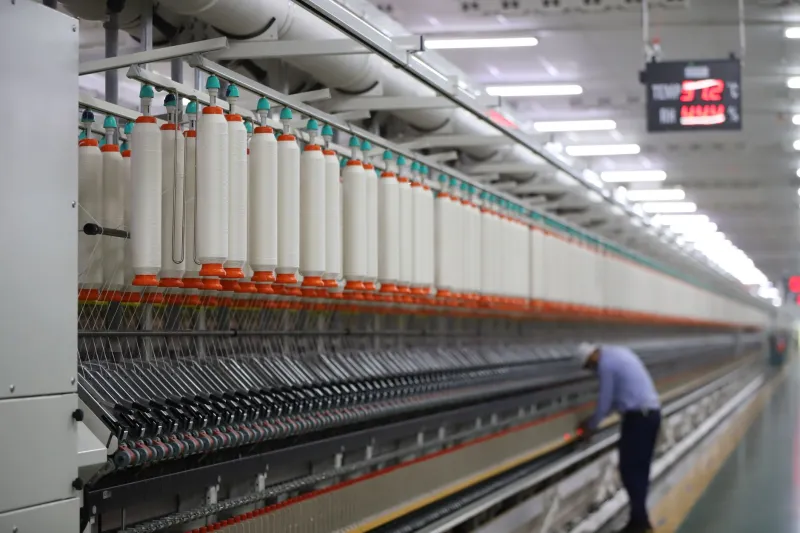
Move downstream from the farm and you hit the mills — and a different kind of community story. Mill towns in the Carolinas and Georgia were built around textile production. For much of the 20th century, a single large mill could be the economic backbone of an entire county: the biggest employer, the biggest taxpayer, the reason the hospital got built and the high school got a football field.
Many of those mills closed during the offshoring wave of the 1990s and 2000s. The communities that lost them are still recovering. Unemployment spiked. Downtown businesses shuttered. Young people left for cities with more opportunity. The towns that managed to hold onto their mills — or attract new ones — tell a different story.
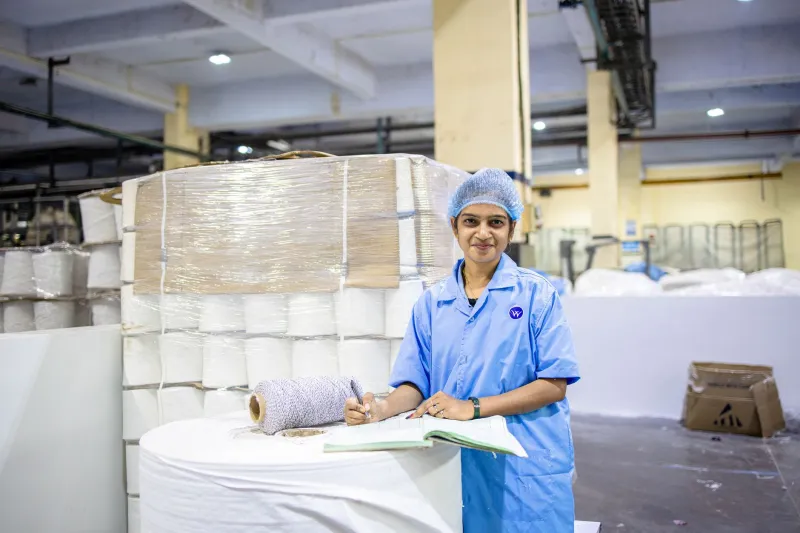
In Gadsden, Alabama, a mid-sized spinning mill that nearly closed a decade ago found new life when a cluster of American-made apparel brands committed to domestic sourcing. The mill rehired. It brought back over 200 jobs — jobs that pay above the county's median wage, with health benefits, in a town that desperately needed the stability. The local tax base grew. A new community center got funded. The high school's vocational textile program, which had been quietly defunded, was reinstated.
None of that happened because of a government program. It happened because enough consumers and brands decided that where things were made actually mattered.
Beyond the Farm and the Mill
The economic impact of domestic cotton doesn't stop at the gin or the spinning floor. Consider the full chain:
- Trucking and logistics: American-grown cotton moves through a network of domestic freight carriers. Those drivers live in towns across the country, spend their paychecks locally, and pay taxes here.
- Retail and e-commerce: Brands that sell American-made goods tend to operate domestically, employing customer service staff, warehouse workers, and fulfillment teams in U.S. cities and towns.
- Supporting industries: From agricultural chemical suppliers to industrial loom manufacturers to packaging companies, the domestic cotton supply chain touches hundreds of American businesses that most consumers never think about.
When you trace a single cotton garment from field to finished product — all of it domestic — the number of American workers whose paychecks it touched can easily reach into the dozens.
What Rural Communities Are Actually Asking For
It's worth being clear about something: the people in these cotton communities aren't asking for charity. They're not asking consumers to pay wildly inflated prices out of pity. They're asking for a fair shot — for shoppers to factor in the full picture when they're deciding between a $15 imported tee and a $38 American-made one.
That $23 difference isn't just markup. It's the wage premium that lets a mill worker in South Carolina afford health insurance. It's the tax revenue that keeps a rural school district from cutting its arts program. It's the signal to a farming family in Texas that planning for next season makes sense.
"People think buying American-made is some kind of sacrifice," says one mill owner in the Piedmont region of North Carolina. "But what they're really doing is investing. They're putting money into communities that are going to be there, that are going to keep producing, that are going to keep the skills alive. That's not a sacrifice. That's just smart."
The Choice Is More Local Than You Think
Next time you're shopping for cotton basics — a new set of sheets, a few quality tees, a sturdy work shirt — take a moment to think about the geography of that purchase. The towns that built their identity around American cotton are still out there. Some of them are thriving. Some of them are hanging on. All of them are paying attention to where consumers spend their money.
At American Cotons, we think about those towns every single day. Because pure cotton, proudly American-made, isn't just a tagline. It's a commitment to the people and places that make it possible.