Homegrown Threads: How American Cotton Mills Are Reclaiming the Denim Industry
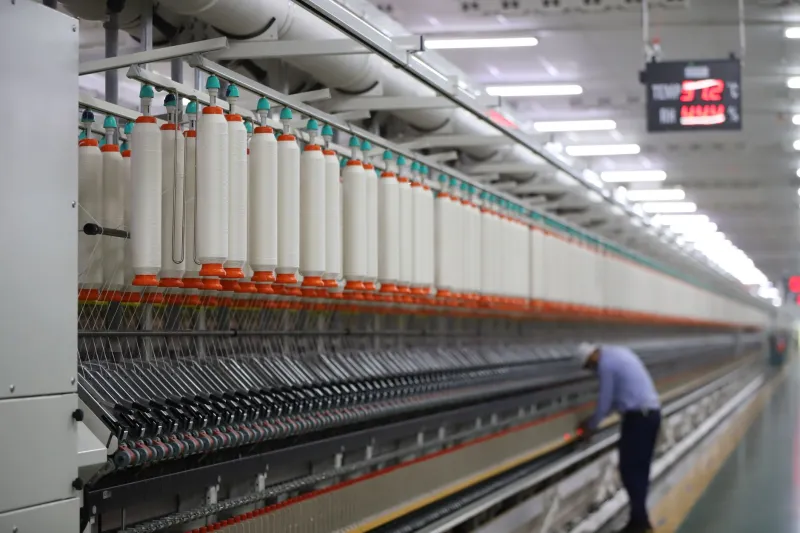
There's a certain sound that defines an American cotton mill — the rhythmic clatter of looms, the low hum of spinning frames, the occasional shout of a floor worker over the din. For a long stretch of the late 20th century, that sound went quiet across much of the country. Mills shuttered. Jobs disappeared. The knowledge of generations of textile workers seemed destined to fade into history.
But walk through a working mill in North Carolina or a small-batch denim facility tucked into the Tennessee hills today, and you'll hear that sound again. Louder than it's been in years, actually.
American cotton mills are coming back — and the story behind that revival is one of stubbornness, consumer awakening, and a renewed appreciation for what it actually means to make something here at home.
The Long Road Down
To understand the comeback, you have to understand the collapse. Through the 1980s and 1990s, trade agreements opened the door wide for cheaper overseas manufacturing. Labor costs in countries like Bangladesh, Vietnam, and China were a fraction of what American mills paid their workers. Brands chased the margins, and domestic production couldn't keep pace on price alone.
By the early 2000s, the U.S. had lost hundreds of textile mills. Entire communities in the South — places where weaving and spinning had been the economic backbone for over a century — found themselves hollowed out almost overnight. The knowledge, the equipment, and in many cases the buildings themselves were left to rust.
But not everything was lost. A handful of mills held on, either by pivoting to specialty fabrics, finding niche markets, or simply refusing to quit. And slowly, quietly, they started to build something new.
What's Driving the Comeback
Ask anyone in the domestic textile space what changed, and they'll give you some version of the same answer: consumers started asking questions.
Where was this made? Who made it? What's actually in it?
The rise of social media gave shoppers a window into supply chains they'd never seen before. Investigative journalism exposed the human cost of ultra-cheap overseas production. And a generation of buyers — particularly millennials and Gen Z — began connecting their purchasing decisions to their values in ways that older generations simply hadn't.
Sustainability became a genuine purchasing factor, not just a marketing buzzword. And American-made cotton, grown and processed domestically with stricter environmental and labor standards than much of the world, suddenly looked a lot more attractive.
"People want to know the story behind what they're wearing," says one mill operator based in Gaston County, North Carolina, a region that was once the textile capital of the world. "They want to know it was made by someone earning a fair wage, with materials they can trace. We can tell that story. Overseas mills often can't."
The Denim Angle
If there's one fabric that's become the symbol of this domestic revival, it's denim. Few textiles are more American in spirit — born out of workwear, shaped by cowboys and factory workers, and woven into the cultural DNA of the country.
For decades, most denim sold in the U.S. was made abroad. But a crop of American mills have started producing selvedge and raw denim again, using long-staple American cotton and traditional weaving techniques that create a fabric noticeably different from what you'd find on a fast-fashion rack.
The difference isn't subtle. American-grown cotton, particularly from the fields of West Texas and the Mississippi Delta, tends to have longer, stronger fibers than many imported varieties. That translates directly to fabric durability — denim that holds its shape, fades beautifully over time, and lasts years longer than cheaper alternatives.
"There's a reason vintage American denim from the 1960s is still being collected and worn today," notes a textile historian who consults with several domestic mills. "It was made with materials and methods that prioritized longevity. We're getting back to that."
The Economic Case for Domestic Production
For a long time, the conventional wisdom was simple: American-made costs more, full stop. And on a sticker-price basis, that's often still true. But the full economic picture is more complicated.
Domestic production eliminates or reduces a long list of costs that overseas sourcing quietly racks up — international shipping, import tariffs, quality-control failures that only surface after product arrives stateside, and the logistical complexity of managing a supply chain spread across multiple continents.
Recent disruptions — from pandemic-era shipping bottlenecks to port congestion — exposed just how fragile those global supply chains really are. Brands that had domestic production capacity weathered those storms far better than those entirely dependent on overseas suppliers.
For smaller brands and independent labels, the ability to produce in shorter runs domestically also means less inventory risk. Instead of committing to massive overseas orders months in advance, they can respond to actual consumer demand in something closer to real time.
The People Behind the Looms
Beyond the economics and the environmental arguments, there's a human dimension to this story that tends to resonate most with consumers.
The workers staffing these revived mills are, in many cases, drawing on family traditions. Some are the children or grandchildren of people who worked in the same industry before the collapse. Others are younger workers who found their way into the trade through vocational programs and apprenticeships that have quietly been rebuilding the talent pipeline.
Wages at domestic mills tend to be significantly higher than those at comparable overseas facilities. Benefits, workplace safety standards, and workers' rights protections are all governed by U.S. law — a meaningful distinction when you're comparing labor conditions globally.
"When you buy something made here, you're not just buying a product," one mill floor supervisor put it plainly. "You're keeping someone's lights on. Someone's kids in school. That's not nothing."
What This Means for You
At American Cotons, we've always believed that cotton made in America isn't just a product category — it's a statement. It's the choice to value craft over convenience, longevity over disposability, and transparency over cheap mystery.
The mills coming back online across the country are proof that American textile manufacturing isn't a relic. It's resilient. And the denim renaissance happening right now is just one chapter in a much longer story about what happens when consumers decide that where something comes from actually matters.
The looms are running again. The fabric is better than ever. And the people making it are proud of every yard.
That's worth something.