From Field to Fiber: Your Practical Guide to Tracing American Cotton All the Way Home
Picking up a cotton t-shirt and reading "Made in USA" on the tag feels reassuring. But here's the thing — that label only tells you where the garment was assembled. The cotton itself? It could have been grown in Texas, or it could have traveled halfway around the world before someone sewed it together on American soil. Those are two very different stories, and knowing which one you're buying matters more than most shoppers realize.
Tracing your garment back to its source sounds complicated, but it's actually pretty doable once you know what to look for. Let's break it down.
Why "Made in USA" Isn't Always the Whole Picture
Federal Trade Commission rules require that a product labeled "Made in USA" be "all or virtually all" made in the United States. That covers manufacturing — cutting, sewing, finishing. But raw material origin is a separate question entirely. A brand can legally stitch a shirt in North Carolina using cotton grown in India and still slap that label on the tag.
This isn't a technicality to get paranoid about. It's just a gap worth understanding so you can ask smarter questions. True American cotton — grown, ginned, spun, woven, and finished domestically — represents a fully traceable supply chain that supports American farmers, mill workers, and small-batch manufacturers. That's the standard worth holding brands to.
The Certifications That Actually Mean Something
A few third-party certifications do the heavy lifting when it comes to supply chain verification. Here's what to look for on tags, hang tags, or brand websites:
Cotton USA™ Mark — Issued by the National Cotton Council, this mark indicates the cotton was grown in the United States. It's one of the clearest signals you can find that the raw fiber itself is domestic.
USDA Organic Certification — This one verifies that the cotton was grown without synthetic pesticides or fertilizers, and it requires rigorous chain-of-custody documentation. While it doesn't exclusively mean American-grown, brands that carry USDA Organic often have tighter traceability overall.
OEKO-TEX Standard 100 — This certification focuses more on chemical safety than geographic origin, but brands committed to transparency tend to stack certifications. Seeing OEKO-TEX alongside domestic claims is a good sign the brand is serious about accountability.
Textile Exchange's Traceable Down Standard (adapted for cotton) — Textile Exchange has been pushing for fiber-level traceability across the industry. Their frameworks are increasingly being adopted by brands that want to document exactly where their raw materials come from.
If a brand can't point you to at least one of these — or something equivalent — that's worth noting.
Red Flags That Should Give You Pause
Not every brand is trying to mislead you, but vague language is worth scrutinizing. Watch out for:
- "American-inspired" or "American-crafted" — These phrases mean nothing in terms of material origin or manufacturing location.
- No mention of where the cotton was grown — Brands that source domestic fiber are usually proud of it. Silence often means the answer isn't flattering.
- "Assembled in USA from imported components" — This is honest labeling, but it's not the same as a domestic supply chain.
- No third-party certifications and no supplier information — Transparency costs brands nothing but effort. If that effort isn't there, it's fair to wonder why.
How to Actually Trace a Garment
So you've got a piece in your hands and you want to do a little digging. Here's a practical approach:
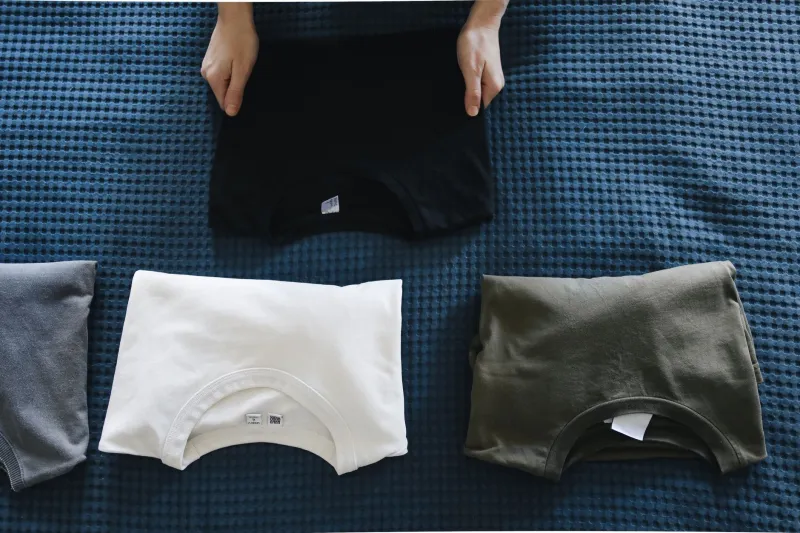
Step 1: Read every tag. Look for country of origin, fiber content, and any certification marks. Some brands include QR codes that link directly to sourcing pages — scan them.
Step 2: Check the brand's website. Look for a "sourcing" or "our materials" page. Brands with genuine domestic supply chains usually dedicate real estate to explaining it. If the website is all lifestyle photography and no substance, that's a signal.
Step 3: Email or DM the brand directly. Ask: "Where was the cotton in this product grown and processed?" A brand with a clean supply chain will answer quickly and specifically. A vague response — or no response — tells you something.
Step 4: Look up the mill. If a brand mentions a specific mill or spinning facility, you can often look that operation up independently. American textile mills like those in the Carolinas or Georgia have histories, websites, and sometimes even tours.
What Full Traceability Looks Like at American Cotons
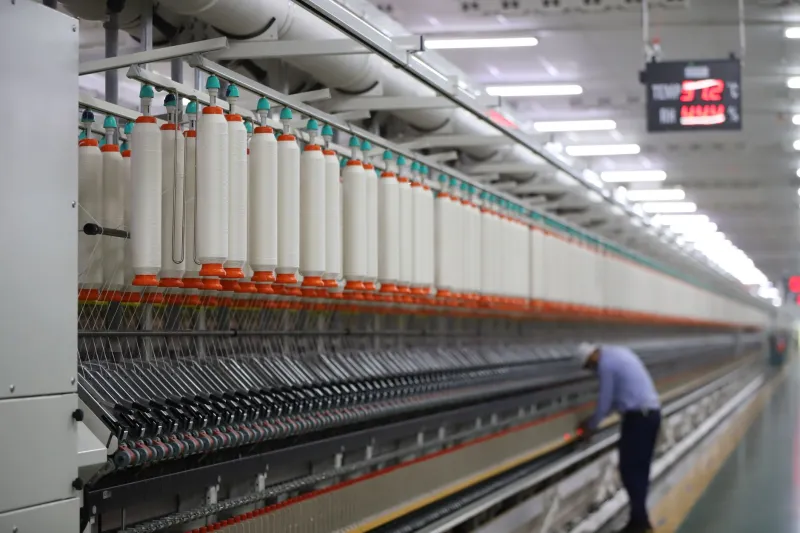
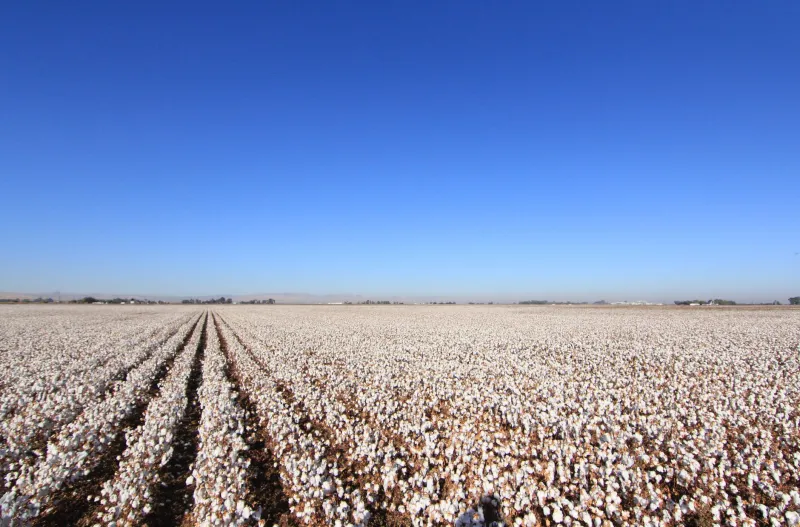
At American Cotons, supply chain transparency isn't a marketing talking point — it's built into how we source. Take our Classic Heavyweight Tee. The cotton starts in the fields of West Texas, one of the most productive cotton-growing regions in the country. From there, it's ginned locally, spun into yarn at a mill in the Carolinas, and knit and cut-and-sewn at a domestic facility before it ever makes it to your doorstep. Every step is documented, and we're happy to walk through it with any customer who asks.
Our American Canvas Work Shirt follows a similar path, with the added layer of a ring-spun cotton process that produces a denser, more durable weave — a technique that's been practiced at American mills for over a century. The result is a garment you can trace not just geographically, but historically.
And for home goods fans, our Farmhouse Cotton Throw uses long-staple American cotton that's woven at a family-operated mill in the Southeast. Long-staple fibers produce a softer, more resilient fabric — and because the whole process happens domestically, quality control stays tight from bale to finished product.
The Bigger Reason This Matters
Tracing your cotton isn't just an intellectual exercise. Every time a consumer demands transparency and chooses a verifiable domestic product, it sends a signal up the supply chain. It supports the roughly 18,000 cotton farms currently operating across the American South and Southwest. It keeps mill towns economically viable. And it builds a market where doing things right — growing responsibly, manufacturing locally, paying fair wages — is actually rewarded.
You don't have to become a supply chain expert to make a difference. You just have to know which questions to ask — and now you do.