Wash Smarter, Not Harder: The Care Habits That Keep Quality Cotton Looking New for Years
Here's an uncomfortable truth: most cotton clothing doesn't wear out. It gets washed out. Repeated trips through a hot machine cycle, aggressive detergents, and a tumble dryer running too hot will break down even the most well-constructed garment faster than any amount of regular wear. If you've ever pulled a favorite cotton shirt out of the dryer and thought it looked a little older than it did going in, you've seen this in action.
The good news is that cotton — especially high-quality, American-grown cotton — is actually a pretty forgiving fiber when you treat it right. It responds well to gentle care, holds its shape longer than most synthetics, and can genuinely last for years, sometimes decades, with the right habits. Here's what those habits look like.
Why American-Made Cotton Responds Differently to Care
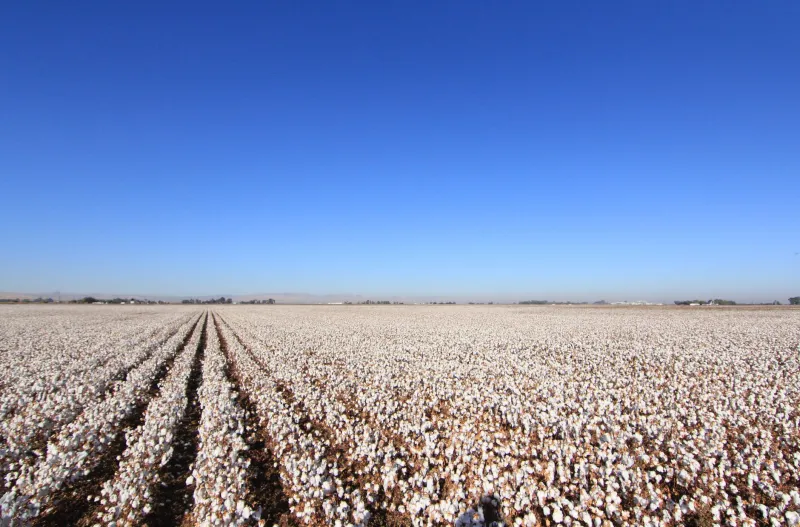
Not all cotton is the same, and this matters when we talk about laundering. American cotton — particularly long-staple varieties grown in states like Texas, Georgia, and California — has a naturally longer, stronger fiber than many imported alternatives. Longer fibers mean fewer exposed fiber ends per square inch of fabric, which translates directly to less pilling, less fading, and better resistance to the mechanical stress of washing.
When that cotton is also ring-spun (a process common in domestic mills), the yarn is tighter and more uniform, which means it holds its structure through wash cycles much better than open-end spun alternatives. The takeaway: quality American cotton is built to last, but it still needs a care routine that works with its properties rather than against them.
Temperature Is Everything
If there's one single change that will extend your cotton garments' lives more than anything else, it's turning down the heat — in both the washer and the dryer.
Hot water causes cotton fibers to swell and then contract as they cool, which gradually breaks down the weave and causes shrinkage and distortion over time. Cold water (60°F or below) cleans effectively for most everyday soil and odor situations while putting dramatically less stress on the fabric.
The dryer is where most cotton damage actually happens, though. High heat accelerates fiber degradation, sets wrinkles permanently, and causes that familiar shrinkage we all know. The fix is simple: use a low or medium heat setting, and pull garments out while they're still slightly damp. Lay them flat or hang them to finish drying. This one habit alone can extend a garment's life by a couple of years — no exaggeration.
Detergent: Less Is More (and Gentler Is Better)
Conventional detergents are formulated to clean efficiently, but many contain enzymes, brighteners, and surfactants that are rougher on natural fibers than they need to be. For cotton specifically, you want a detergent that cleans without stripping the natural softness of the fiber.
A few practical guidelines:
- Use less than the recommended amount. Most of us use two to three times more detergent than necessary. Excess detergent doesn't rinse out fully, leaving a residue that actually attracts more dirt and stiffens the fabric over time.
- Skip the fabric softener for quality cotton. It sounds counterintuitive, but fabric softener coats cotton fibers with a waxy layer that reduces their natural breathability and actually makes them feel less soft over time. Well-made cotton softens naturally with washing — let it do its thing.
- For whites, try a non-chlorine oxygen-based brightener. Chlorine bleach weakens cotton fibers significantly with repeated use. Oxygen-based alternatives clean and brighten without the structural damage.
Sorting Still Matters (Yes, Really)
Sorting laundry feels like a chore from another era, but it genuinely protects your clothes. Beyond the obvious color separation, consider sorting by fabric weight. Washing a lightweight cotton t-shirt with heavy denim creates friction that pills and wears down the lighter piece faster. Washing similar weights together reduces that mechanical wear significantly.
Also worth noting: turn your cotton garments inside out before washing. The interior of the fabric takes the mechanical beating of the wash cycle instead of the visible exterior, which keeps colors brighter and surface texture smoother for longer.
Stain Treatment Without the Damage
The instinct when you spot a stain is to scrub. Resist it. Scrubbing cotton while it's wet spreads the stain and physically damages the fiber structure. Instead:
- Blot — don't rub — to absorb as much of the stain as possible.
- Apply a small amount of dish soap or a dedicated stain remover directly to the spot.
- Let it sit for 10 to 15 minutes before washing normally.
For older or set-in stains, a soak in cool water with a little oxygen brightener before washing is more effective than any amount of aggressive scrubbing.
Storage Habits That Protect Your Investment
How you store cotton matters almost as much as how you wash it. A few things to keep in mind:
Don't store cotton in plastic bags or airtight containers. Cotton is a natural fiber that needs to breathe. Sealed storage traps moisture and can lead to mildew or yellowing over time. Breathable cotton storage bags or open shelving is ideal.
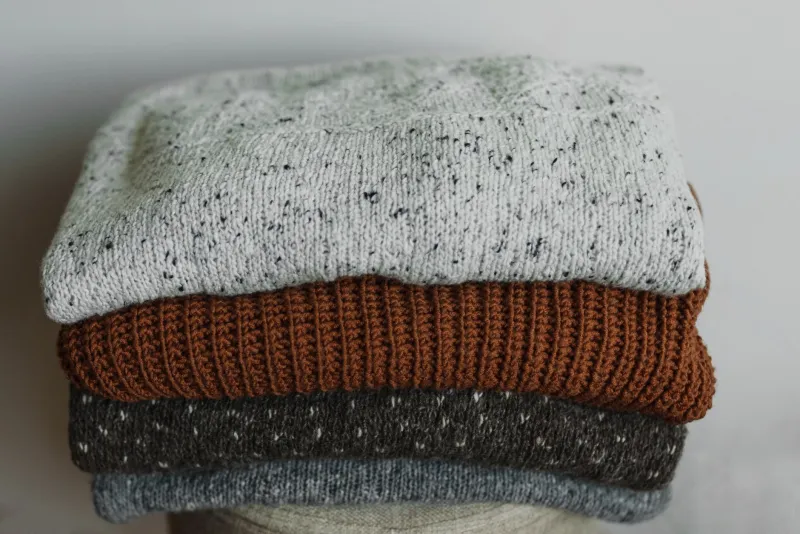
Fold heavier knits rather than hanging them. Heavy cotton sweaters or thick tees will stretch at the shoulders if hung for extended periods. Folding keeps them in shape.
Keep cotton away from direct sunlight during storage. UV exposure fades color and weakens fibers even when the garment isn't being worn.
The Mindset Shift That Changes Everything
The brands and garments worth caring about are the ones built to last in the first place — and that's exactly what American Cotons is designed around. Our Sun-Washed Oxford Shirt, for example, is woven from long-staple domestic cotton that gets softer with every proper wash cycle. Treat it right, and it genuinely improves with age. Our Everyday Essential Crew is the same story — ring-spun American cotton that holds its shape and color wash after wash when you keep the heat low and skip the harsh detergents.
The point isn't to make laundry a complicated ritual. It's to recognize that the ten seconds it takes to switch your dryer to low heat, or to turn a shirt inside out before tossing it in the machine, compounds over hundreds of wash cycles into a garment that still looks great five years from now instead of two.
Quality cotton is a long-term relationship. Treat it like one.