Brand Loyalty or Brand Betrayal? How to Tell If Your Favorite Label Has Quietly Left American Mills Behind
There's a particular kind of disappointment that hits when you find out something you trusted wasn't what it seemed. Maybe it's a restaurant that switched from fresh ingredients to frozen. Maybe it's a hometown business that quietly moved its operations out of state. In the apparel world, that betrayal is happening at scale — and most shoppers have no idea.
Over the past decade, a growing number of American clothing brands have been slowly, quietly shifting their cotton sourcing and production away from domestic mills. The logos haven't changed. The marketing still leans on flags, farmland photography, and words like "heritage" and "quality." But the mills in the Carolinas, Georgia, and Texas that used to spin that fiber? Many of them are no longer in the picture.
The Quiet Exit from American Mills
This isn't a dramatic overnight story. It's more like a slow leak. Brands don't typically issue press releases announcing they've moved production to Bangladesh or Vietnam. Instead, they let the change slip by unnoticed — buried in supply chain disclosures that almost nobody reads, or hidden entirely behind vague language like "globally sourced" or "internationally crafted."
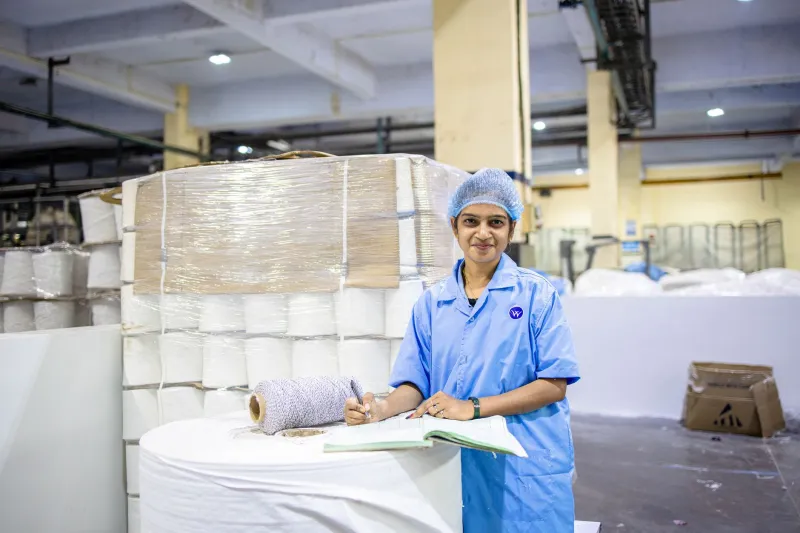
For mill owners across the South and Midwest, the pressure has been building for years. Competing with overseas labor costs that can run a fraction of what American workers earn is genuinely hard. Add in the cost of complying with U.S. environmental regulations (which are stricter than in many competing countries), and the math gets brutal fast. Several small and mid-sized American cotton mills have closed in the last five years alone — not because the quality of their product dropped, but because enough brands decided the price differential was too wide to ignore.
What makes this sting even more is the timing. Consumer surveys consistently show that Americans want domestically made goods. A 2023 study from the Reshoring Initiative found that a significant majority of U.S. shoppers say they'd pay more for American-made products. Brands know this. Which is why many of them keep the patriotic branding in place even after the American manufacturing is gone.
What "Made in the USA" Actually Means (And Doesn't)
Here's where it gets genuinely confusing. Federal Trade Commission guidelines say a product can only be labeled "Made in the USA" if it's "all or virtually all" made domestically. That sounds clear-cut, but the textile industry has found plenty of room to maneuver in the gray areas.
A shirt might be assembled in the U.S. from fabric that was woven overseas from cotton grown in a third country. Technically, the brand might not be lying when they say it's "assembled in America" — but they're absolutely counting on you not to notice the distinction. "American cotton" can mean the fiber was grown here but processed entirely abroad. "Crafted in the USA" is a phrase with essentially no legal definition at all.
The labels that actually mean something are specific: 100% American Pima cotton, certifications from organizations like the Cotton USA program, or direct supply chain transparency from a brand willing to name the mill, the farm, and the state where production happened.
Your Closet Audit Checklist
Before your next purchase — or before you decide whether that brand you love has actually earned your loyalty — run through these questions:
1. Does the label say "Made in the USA" without qualifiers? If it says "designed in the USA" or "crafted with American inspiration," that's marketing language, not a sourcing claim. Look for the full FTC-compliant statement.
2. Can you find the mill on the brand's website? Legitimate American-made brands are usually proud of their manufacturing partners. If a company's "Our Story" page is full of lifestyle photos but zero specifics about where the fabric was made, that's a red flag.
3. Does the price make sense for domestic production? A basic cotton tee retailing for $12 was almost certainly not made in an American mill paying American wages. Genuine domestic production has real costs. If the price seems impossibly low, it probably is.
4. Is the brand certified or affiliated with recognized programs? Look for affiliations with the American Apparel & Footwear Association's domestic manufacturing initiatives, Cotton USA, or state-level programs like Texas Cotton or Supima (which certifies American Pima cotton specifically).
5. Have you checked recent news about the brand? A quick search combining the brand name with terms like "overseas production," "mill closure," or "supply chain" can surface reporting you'd never find on the brand's own website.
The Real Cost of the Switch
When a brand moves production overseas, the immediate financial winner is the brand's profit margin. The losers are more spread out — and more human. Mill workers in small towns lose jobs that often paid living wages with benefits. Local economies that depended on those mills lose tax revenue, spending power, and the kind of community anchor that keeps a small town viable.
And then there's the quality conversation. American cotton mills operate under environmental and labor standards that their overseas competitors frequently don't match. The resulting fabric — spun, woven, and finished domestically — tends to be more consistent, longer-lasting, and produced with significantly less environmental damage. When you buy from a brand that's made the switch, you're not just accepting a different supply chain. You're accepting a different standard.
How to Vote With Your Cart
None of this means every big brand is acting in bad faith, or that every overseas-made product is inferior. But it does mean that shoppers who care about American manufacturing need to do a little homework — because the brands that have quietly moved on are counting on you not to.
At American Cotons, we believe transparency isn't a marketing strategy. It's a baseline. Every piece we carry is traceable to American cotton and American manufacturing, full stop. We think that's worth paying for — and we think once you understand what you're actually getting, you'll agree.
Next time you reach for something from a brand you've always trusted, take 60 seconds to ask the questions above. Your wallet, and a few thousand American mill workers, will thank you.