Smoke and Mirrors: How Big Retail Buries American Cotton Beneath a Mountain of Greenwash
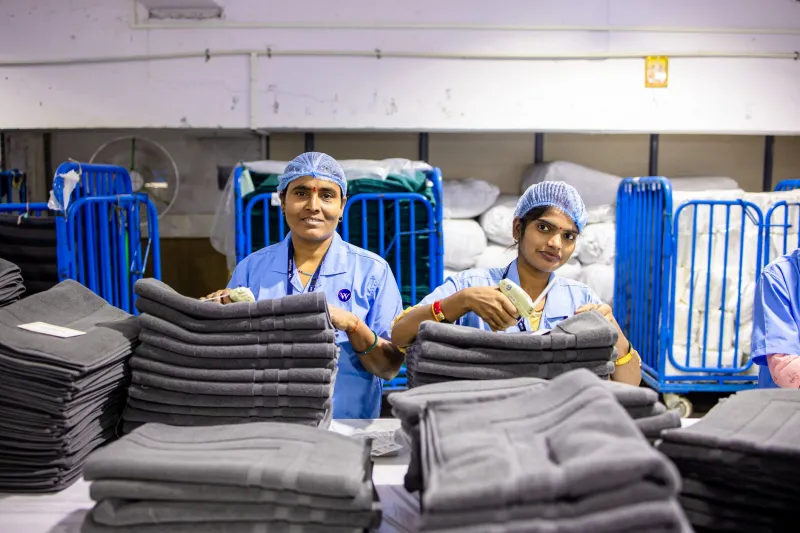
There's a reason you can walk into almost any big-box clothing store in America, pick up a cotton T-shirt, and have absolutely no idea where it came from. That confusion? It's not an accident. It's a strategy — carefully engineered by marketing teams, supply chain managers, and legal departments working in near-perfect coordination to keep you in the dark.
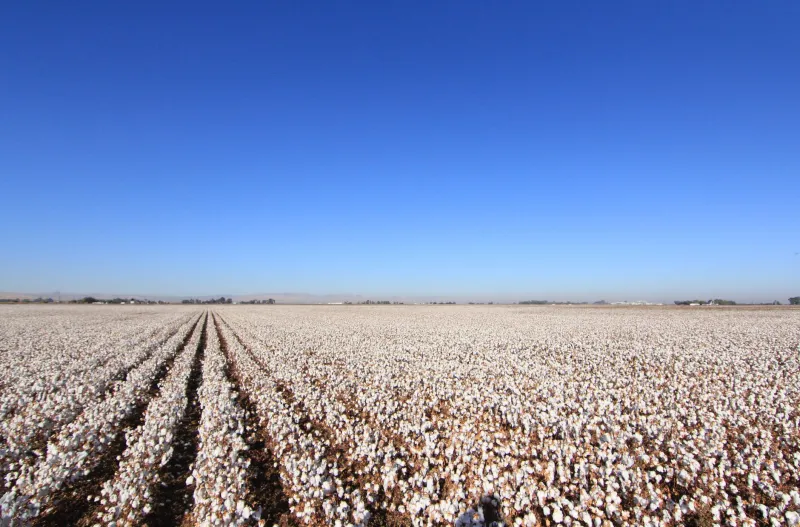
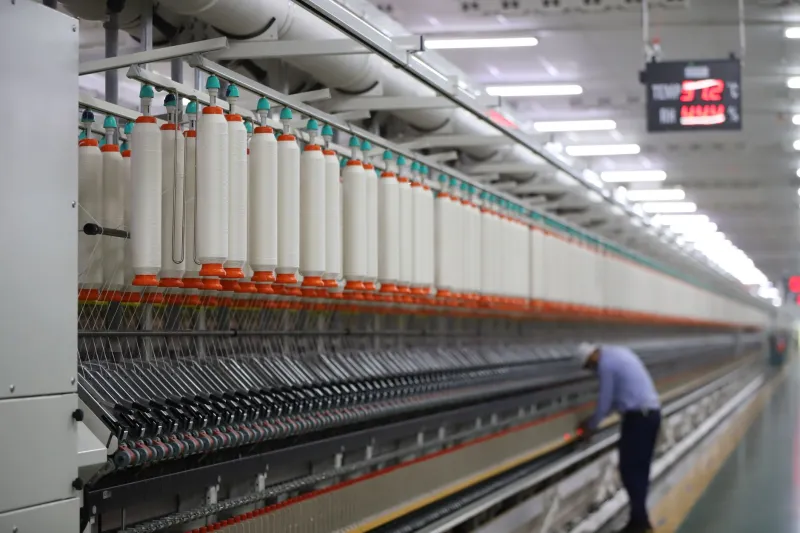
American cotton mills still exist. American farmers still grow some of the cleanest, most rigorously regulated cotton on the planet. But if you rely on major retail brands to tell you that story, you'll be waiting a long time.
The Art of the Vague Label
Start with the label itself. Federal law requires clothing sold in the U.S. to disclose the country where it was manufactured — meaning assembled — but not the country where the raw fiber was grown or spun into yarn. That single loophole is the foundation of an entire industry of misdirection.
A shirt can be stitched together in a factory in Central America using Chinese-spun yarn made from cotton grown in Uzbekistan, and the label will legally read "Made in Honduras." Nothing on that tag is technically a lie. But nothing about it tells you the full picture either.
Big retailers know this. They've built their sourcing models around it. And when a brand slaps a hang tag on that same shirt that says something like "crafted with care" or "responsibly made," they're not lying outright — they're just letting you fill in the blanks with assumptions they're happy to encourage.
Greenwashing 101: The Language to Watch For
Here's where it gets more deliberate. Over the last decade, as consumer demand for sustainability has spiked, major retailers have launched what can only be described as greenwashing arms races. The goal isn't to become more sustainable. The goal is to sound more sustainable while changing as little as possible about how they actually operate.
Some of the most common phrases to treat with serious skepticism:
- "Sustainably sourced cotton" — Sourced from where? By whose definition of sustainable? This phrase has no legal standard attached to it.
- "Better Cotton Initiative" (BCI) — BCI is a real program, but it's a mass-balance system, meaning a brand can buy credits for better cotton without that cotton ever physically touching their supply chain. You might be wearing none of it.
- "Eco-conscious collection" — Usually applies to a capsule of 12 items in a store carrying 4,000 SKUs. The math doesn't add up.
- "Natural fibers" — Technically true of cotton, but also true of cotton grown with heavy pesticide use in countries with minimal environmental oversight.
None of these phrases tell you whether American farmers or American mills were involved. None of them tell you much of anything, really.
The Supply Chain Shell Game
Large retailers don't just obscure where their cotton comes from — they've built supply chains specifically designed to make transparency difficult, even for people trying hard to find answers.
Here's a simplified version of how it works: A brand contracts with a factory in Vietnam. That factory sources fabric from a mill in China. That mill buys raw cotton from brokers who aggregate fiber from multiple countries. By the time that cotton becomes a shirt on a rack in Ohio, there are five or six intermediaries between the farmer and the consumer — and most of them have no obligation to share sourcing data with anyone.
When a brand says it "audits its suppliers," it typically audits Tier 1 — the final factory. Tier 2 and beyond? Largely unexamined. This isn't incompetence. It's a system that works exactly as intended for brands that don't want to know, or don't want you to know.
Why American Mills Get Squeezed Out of the Story
Here's what makes this especially frustrating: American-grown cotton operates under some of the strictest environmental and labor regulations in the world. U.S. cotton farmers are subject to EPA oversight, fair labor laws, and water usage standards that most of their overseas competitors never have to think about. American mills that spin, weave, and finish fabric domestically are creating jobs in communities that desperately need them.
But none of that fits neatly into a fast fashion business model built on razor-thin margins and high volume. Domestic production costs more — not because American workers are inefficient, but because they're paid fairly and work in regulated conditions. So rather than make the case for why that cost is worth it, big retail has decided it's easier to just not make the case at all. Better to flood the market with feel-good language and hope you don't ask too many questions.
Red Flags on the Rack: What to Look For
You don't need to become a supply chain analyst to start shopping smarter. A few practical signals can tell you a lot:
Price point is a clue. A 100% cotton T-shirt retailing for $8 cannot have been made ethically in America. The math simply doesn't work. If the price seems too good to be true relative to what fair production costs, it is.
Vague sustainability pages. Go to a brand's website and look for their sustainability or ethics page. If it's full of aspirational language and short on specific metrics — factory names, third-party audit results, country-of-origin data for raw materials — that's a red flag.
Certifications with teeth vs. certifications without. GOTS (Global Organic Textile Standard) and OEKO-TEX MADE IN GREEN are more rigorous than most. They require traceability through the supply chain, not just at the final assembly stage. A brand leaning on BCI credits alone is telling you something.
"Made in USA" is the gold standard for a reason. When a product carries a legitimate "Made in USA" claim — and the FTC has strict rules about what qualifies — it means the product was substantially manufactured domestically. It's not a perfect guarantee of American cotton from field to fiber, but it's a far more meaningful signal than almost anything else on the label.
What You Can Do About It
Ask questions. Seriously — email brands, use their customer service chat, post on social. Brands track this stuff. When consumers start asking where their cotton actually comes from, brand managers notice.
Seek out companies that publish supply chain information proactively. Brands that are genuinely proud of how they make things don't hide it. They put it front and center because it's a selling point, not a liability.
And when you find a brand that's doing it right — one that works with American mills, sources domestic fiber, pays fair wages, and can actually tell you the story of how your shirt got made — support them. Buy from them. Tell people about them.
Big retail has spent a lot of money convincing you that American mills are a relic of the past, that domestic cotton production is quaint at best and irrelevant at worst. The truth is messier and more hopeful than that. American cotton is still here. The mills are still running. The farmers are still planting.
They just need you to stop letting someone else tell you they don't exist.