Why Your Cotton Tee Fits Better After 50 Washes Than It Did on Day One
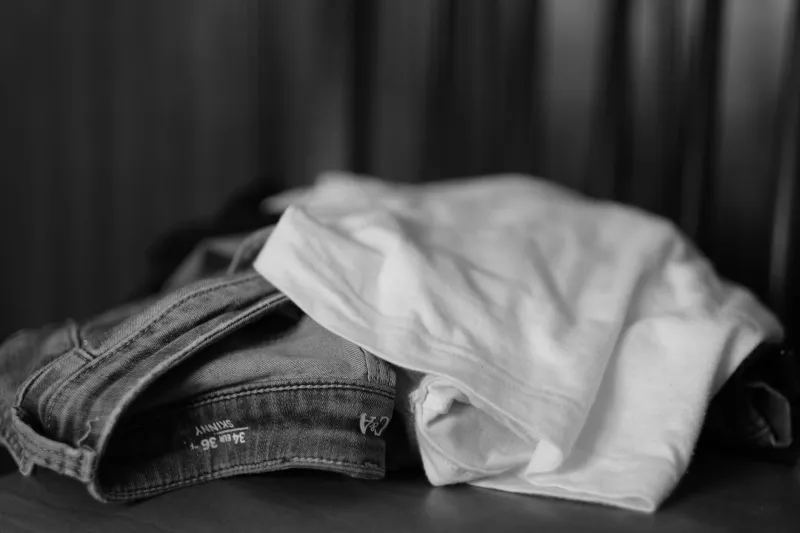
Somewhere along the way, shrinkage became cotton's villain origin story. Toss a shirt in the wash, pull out something that fits your cat — and suddenly the whole fabric category gets a bad name. But here's the thing: that narrative was mostly written by synthetic fiber brands with a vested interest in making natural fibers look unreliable.
The reality? American-milled cotton doesn't shrink unpredictably. It settles. And once it does, you've got a garment that holds its shape, softens with age, and outlasts anything a polyester blend could ever promise.
What's Actually Happening Inside the Fabric
To understand why cotton behaves the way it does in a washing machine, you need to zoom in — way in. Raw cotton fibers are naturally twisted and crimped. When mills spin and weave them into fabric, tension gets built into the structure. Heat and water release that tension during the first few washes, allowing fibers to relax back toward their natural state.
Dr. Marcus Ellroy, a textile engineer with over two decades of experience working with domestic mills in the Carolinas, puts it plainly: "What consumers call shrinkage is really just fiber normalization. The fabric is finding its equilibrium. After that initial adjustment — usually one to three washes — a quality American cotton piece stabilizes and stays there."
That's a fundamentally different story than the one fast fashion tells. Cheap imported cotton, often spun with inconsistent fiber lengths and minimal quality control, can shrink unevenly and repeatedly — pulling at seams, warping prints, and generally falling apart wash after wash. That's the shrinkage you should actually be worried about.
How American Mills Engineer for Precision
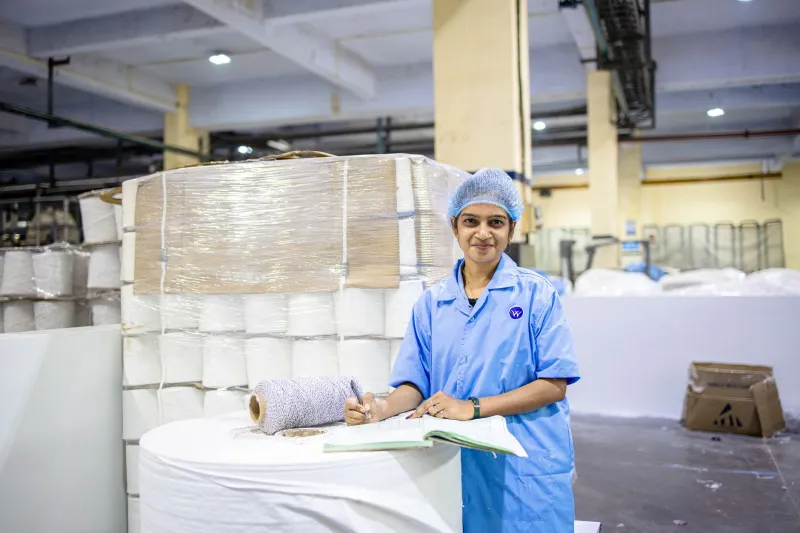
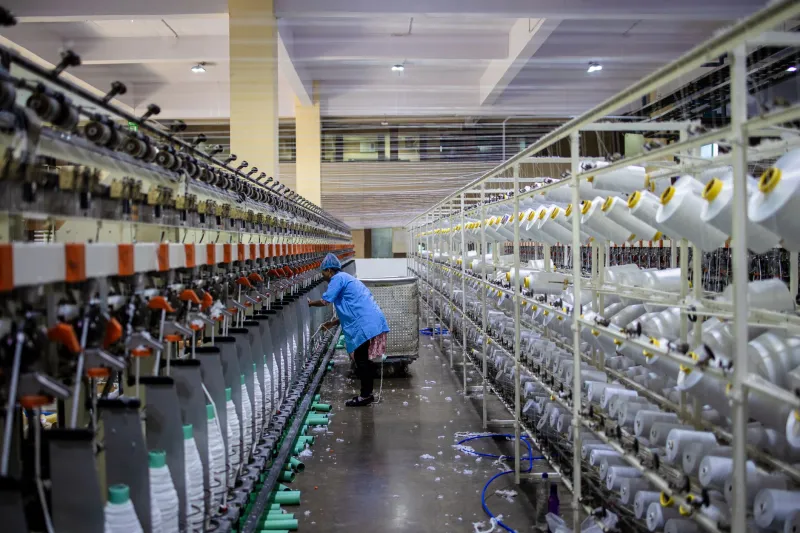
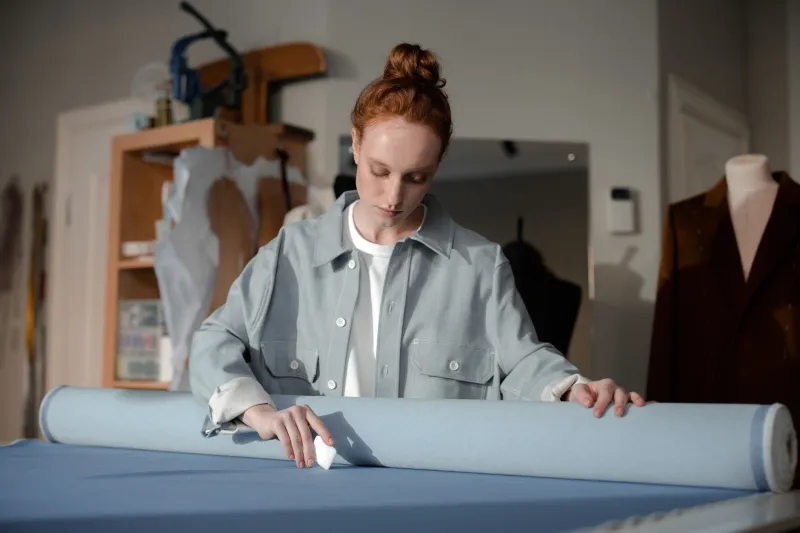
Domestic cotton mills don't leave shrinkage to chance. Most facilities that supply American-made apparel brands run their fabrics through a process called compressive shrinkage — sometimes known by the trademarked term Sanforizing — before the fabric ever reaches a cutting table. The cloth is mechanically compressed to pre-shrink the fibers so that post-purchase shrinkage is controlled and predictable, typically landing within a 1–3% tolerance.
That number matters. A 1% shrink on a men's XL tee is barely perceptible. A 7% uncontrolled shrink on a cheap import turns a relaxed fit into something uncomfortably snug. American mills hold themselves to published shrinkage standards, and many supply documentation to the brands they work with — specs that simply don't exist in most overseas supply chains.
"We test every lot," says Jamie Caldwell, quality assurance manager at a mid-sized knitting mill in Georgia. "Before anything ships to a brand partner, we know exactly how it's going to behave in a home wash. That predictability is what we're selling as much as the cotton itself."
Real People, Real Results
Ask anyone who's been wearing American-made cotton for years and you'll hear a version of the same story.
Sarah T., a teacher from Portland, Oregon, bought a set of American-made cotton crewnecks three years ago. "I was honestly nervous after the first wash — they felt slightly different. But by the third wash, they'd settled into the best-fitting shirts I own. I've washed them probably 150 times at this point and they look the same as they did after wash three."
Then there's Derek M., a contractor from rural Tennessee who's been buying American-made cotton workwear for over a decade. "I used to replace shirts every few months when I was buying whatever was cheapest. Now I've got shirts that are four years old and they still hold their shape. The fabric actually feels softer now than when I bought them. That's not something you get from a blend."
This aging-in quality — the way well-made cotton softens and conforms over time without losing structure — is what textile folks call character development. It's the same principle behind a great pair of raw denim jeans or a well-worn canvas jacket. The material improves with use.
The Fast Fashion Counter-Narrative
Fast fashion brands have spent years positioning shrinkage as a universal cotton flaw — and it's not hard to see why. If consumers believe cotton is inherently unpredictable, they're more likely to reach for the polyester-spandex blend hanging right next to it on the rack. Synthetics don't shrink, after all. They just pill, trap odor, shed microplastics, and feel increasingly uncomfortable after a long day.
The shrinkage myth has been a convenient distraction from the more inconvenient truth: synthetic blends don't age well. They don't get softer. They don't mold to your body. And they don't last long enough to matter.
American cotton, properly milled and cared for, does all of those things. The initial settle isn't a defect — it's the fabric becoming yours.
How to Work With Cotton's Natural Behavior
Even with pre-shrunk American cotton, a few simple habits will keep your pieces looking their best for years:
- Wash in cold water. Hot water accelerates fiber relaxation and can cause unnecessary shrinkage even in pre-treated fabrics.
- Skip the high heat dryer. Air drying or low-heat tumble drying is gentler on fibers and preserves the structure longer.
- Buy true to size. American-made cotton with controlled shrinkage specs is sized to account for that 1–3% adjustment. You don't need to size up.
- Give it three washes. If a piece feels slightly different after wash one, hold off on judgment. Most quality cotton reaches its final stable state by wash three.
The bottom line? Shrinkage isn't cotton's flaw. Uncontrolled, unpredictable shrinkage is a manufacturing flaw — and it's one that American mills have largely solved. What's left is a fabric that earns its fit, improves with age, and tells the story of every wear. That's not a bug. That's the whole point.