America's Best Export Nobody Is Talking About: How US Cotton Is Winning Over European Shoppers
If you mention American-made goods to a fashion buyer in Milan or a textile retailer in Copenhagen, you might expect a polite smile and a quick pivot to Italian wool or Scandinavian linen. What you probably wouldn't expect is genuine enthusiasm — and a standing purchase order.
But that's increasingly the reality for American cotton mills. Quietly, without much fanfare on this side of the Atlantic, US-grown and US-milled cotton has been building a serious reputation overseas. And the demand is doing something remarkable: it's flowing money back into rural American communities that have been waiting decades for a reason to expand.
The Quality Signal That Travels Well
For much of the late 20th century, "Made in USA" carried mixed connotations in global fashion markets. American manufacturing was associated with volume and efficiency — not refinement. European luxury buyers looked to Italy, France, and Switzerland for premium goods, and that perception stuck long after American mills had quietly overhauled their operations.
The shift started with a simple market reality: as global demand for traceable, sustainably grown natural fibers increased, American cotton's supply chain transparency became a competitive advantage that money couldn't easily replicate elsewhere.
"What we offer European clients isn't just fiber quality — it's documentation," says Thomas Reeves, co-owner of a fourth-generation cotton spinning operation in North Carolina. "They can trace every bale back to the farm. They know the growing practices, the processing steps, the certifications. That kind of provenance is exactly what premium European brands are looking for right now, and very few other origins can deliver it at scale."
European fashion brands — particularly in the mid-to-high price segment — have been under intense consumer pressure to verify their supply chains. American cotton, grown under strict USDA oversight and processed through domestic mills with documented practices, checks every box.
What European Buyers Are Actually Paying For
The price premium that American cotton commands in European markets isn't trivial. Mill owners and export brokers who spoke with us described margins that would raise eyebrows domestically — with some specialty American cotton fabrics fetching two to three times what comparable imported alternatives would cost a European buyer.
So what exactly justifies that premium in the eyes of an overseas retailer?
Fiber consistency. American Upland and Pima cotton varieties are grown under carefully monitored conditions with long, consistent fiber lengths. European textile manufacturers, particularly those producing fine shirting and luxury bedding, prize this consistency because it directly affects how fabric behaves on high-speed looms.
Chemical transparency. European markets, especially Germany and the Nordic countries, have some of the world's strictest textile chemical regulations. American mills that meet domestic EPA standards often already satisfy or exceed EU REACH requirements — making compliance straightforward for European brands sourcing US fabric.
The story. This is harder to quantify, but several European retailers mentioned it unprompted. "There's a narrative around American cotton that resonates with our customers," says a buyer for a mid-sized Swedish lifestyle brand who asked not to be named. "The family farms, the regional craft, the long history — it's authentic in a way that's very hard to manufacture."
Mill Towns Feeling the Difference
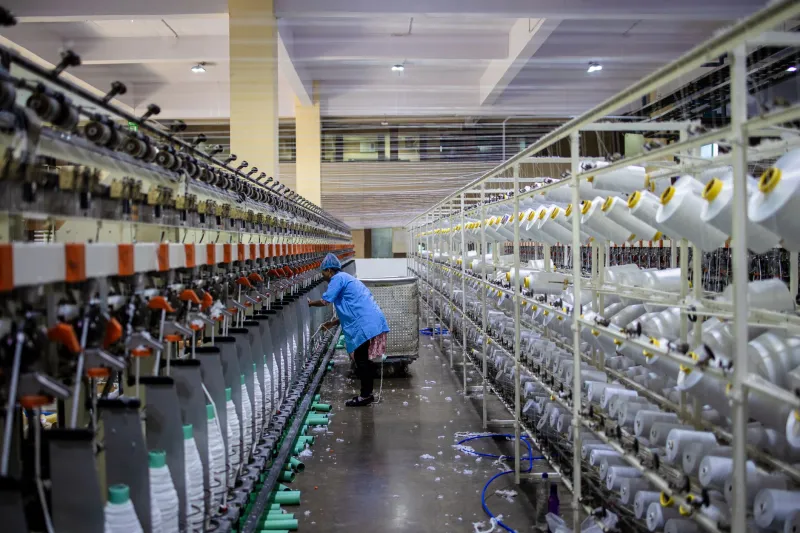
The export boom isn't just an abstract trade statistic. In communities across the Carolinas, Georgia, and Alabama — places where the textile industry has had a complicated few decades — new export contracts are translating into real hiring.
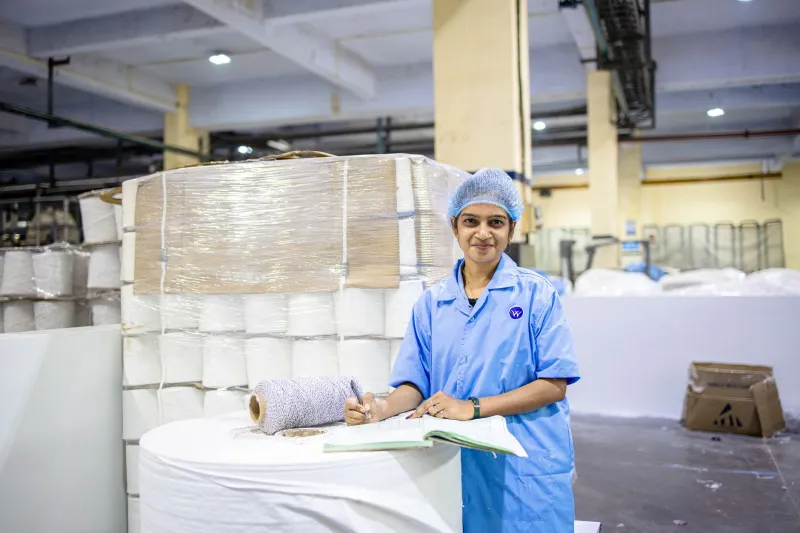
Reeves describes adding a third production shift at his facility over the past two years, largely driven by European demand. "We haven't run three shifts since the early 2000s. That's real jobs — not consulting positions or logistics roles, but skilled manufacturing work that pays well and stays in the community."
The economic ripple effect extends beyond the mills themselves. Ginning operations, trucking companies, equipment repair shops, and local suppliers all feel the pull when a mill expands capacity. Textile towns that had grown accustomed to contraction are now navigating something they haven't dealt with in a long time: growth.
Competing With the Old Guard
It would be an overstatement to say American cotton has displaced Italian or Swiss goods in the European luxury hierarchy. The heritage brands of Como and the Swiss textile corridor carry centuries of reputation that don't evaporate overnight. But American mills aren't necessarily competing head-to-head — they're carving out a distinct position.
Where Italian fabrics sell on aesthetic tradition and Swiss goods on precision engineering, American cotton is positioning itself on a combination of natural authenticity, supply chain integrity, and what one North Carolina mill owner called "honest provenance" — the ability to tell a complete, verifiable story about where a product came from and how it was made.
"We're not trying to be Italian," says Carolyn Marsh, who manages international sales for a Georgia-based weaving operation. "We're trying to be the best version of American. And increasingly, that's a category European buyers want to have in their portfolio."
That positioning is working particularly well in the UK, Germany, and Japan — markets where consumers have demonstrated a consistent willingness to pay for goods with clear ethical and quality credentials, and where the "Made in USA" label carries nostalgic resonance that younger generations are rediscovering.
What This Means for American Consumers
Here's the irony worth sitting with: European buyers are paying premium prices for American cotton that many US consumers have been overlooking in favor of cheaper imports. The quality that's attracting international attention has been available domestically all along — it just hasn't always been marketed with the same confidence abroad.
The export success is starting to change that. As American mills build international reputations and document their quality standards for demanding overseas clients, that same documentation and brand equity flows back into the domestic conversation. Mills that are good enough for a premium European retailer are, by definition, good enough to be proud of at home.
And for consumers who've been on the fence about investing in American-made cotton goods — the global market just offered a pretty compelling third-party endorsement.
If European fashion buyers are willing to pay a premium to get their hands on it, maybe it's time American shoppers stopped taking it for granted.