Why Your Mom's Old Cotton Shirts Outlasted Everything in Your Closet
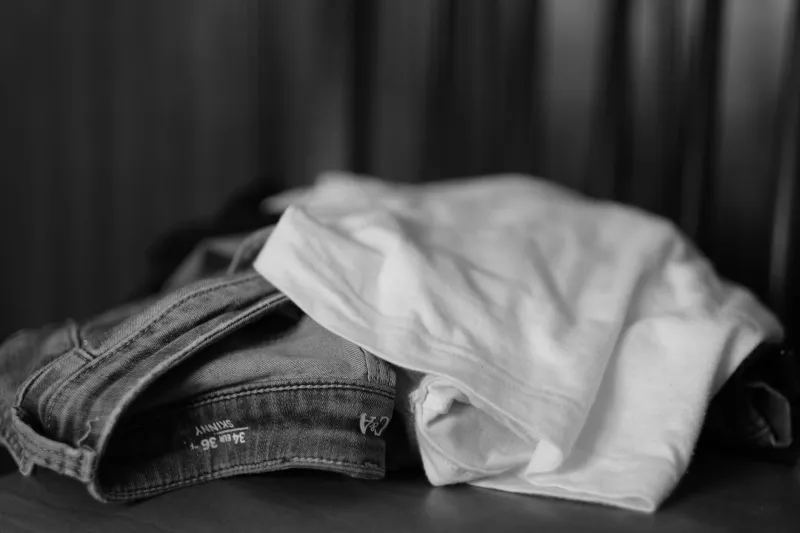
Maybe it was a flannel your dad wore to every football game. Or your grandmother's housecoat, still soft and intact after forty years of weekly washing. Or a vintage American-made polo you found in the back of a closet that fits better and feels richer than anything hanging in a department store today.
Wherever you've encountered it, the experience is the same: something old made with American cotton just lasts in a way modern clothes don't.
That's not sentimentality. It's manufacturing reality. And understanding what changed between then and now is one of the most useful things you can do as a consumer.
The Golden Era of American Garment Quality
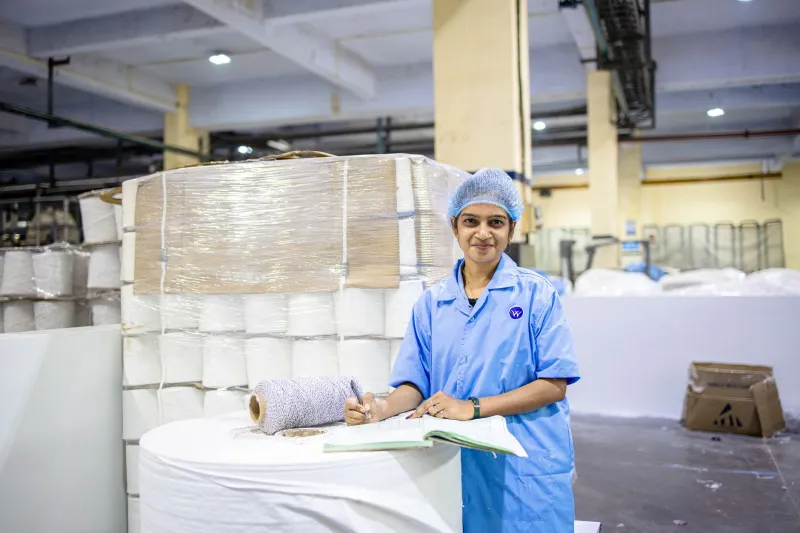
From roughly the 1940s through the early 1980s, American textile manufacturing operated under a set of conditions that naturally produced durable, high-quality goods. Domestic mills controlled the entire supply chain — from cotton fields in the South and Southwest to spinning operations in the Carolinas to finishing facilities scattered across the Northeast.
Fiber quality was high because the economics rewarded it. Longer-staple cotton — the kind that produces stronger, smoother yarn — was the standard, not a premium option. Ring-spinning, which creates tighter, more durable thread, was the industry norm. Fabric weight was substantial because fabric weight meant longevity, and longevity meant a reputation worth protecting.
A garment manufacturer in 1965 knew that a shirt with their label on it would be worn for years by a customer who'd tell their neighbors about it. The feedback loop between quality and reputation was short and direct.
What Happened in the 1980s and 1990s
The collapse of domestic textile manufacturing didn't happen overnight, but its effects on quality were fast and decisive.
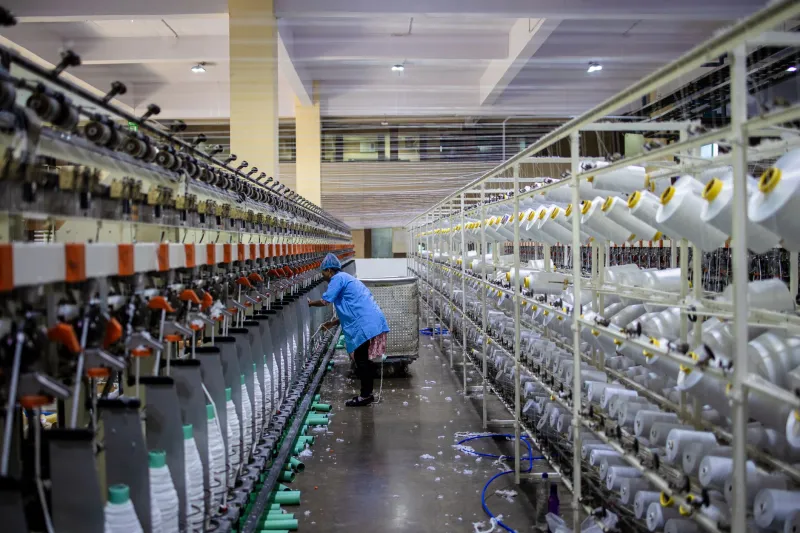
As production moved offshore — first to Latin America, then to Southeast Asia — the pressure shifted from quality to cost per unit. Overseas manufacturers working on thin margins had little incentive to source premium long-staple cotton when shorter, cheaper fibers would pass a quick inspection. Ring-spinning gave way to open-end spinning, which is faster and cheaper but produces a coarser, weaker yarn. Fabric weights dropped. Finishing processes were abbreviated.
The result was a generation of garments designed to survive the retail floor and maybe a season of wear — not a decade of it.
And because these changes happened gradually, most consumers didn't notice until they were already surrounded by clothes that pilled after three washes and faded after ten.
The Evidence in Your Parents' Closet
Here's a practical experiment: go look at the oldest American-made cotton item you can find in your family's possession. Check the label. Feel the fabric.
Older American-made tees and shirts are noticeably heavier than their modern equivalents. A quality cotton tee from the 1970s or early 1980s might weigh 6 to 7 ounces per square yard. A standard tee from a fast-fashion retailer today often comes in under 4 ounces — sometimes well under. That difference in weight is a direct reflection of fiber density, yarn quality, and the number of threads per inch.
The stitching on vintage American-made pieces is also typically denser and more consistent. Seams were sewn to hold, not just to hold long enough.
And the cotton itself — longer-staple fibers that were ring-spun into tighter yarn — creates a fabric surface that resists pilling and maintains its structure through repeated washing in a way that shorter-fiber, open-end spun alternatives simply can't match.
The Softening Paradox
Here's something counterintuitive: high-quality American cotton actually improves with washing, up to a point. The longer fibers in well-made cotton soften and settle over time without breaking down. That's why a well-worn vintage tee feels broken-in and buttery rather than thin and worn-out.
Cheaper modern cotton — shorter fibers, looser weave — degrades instead of softening. It thins. It pills. The surface gets rough or uneven. What feels soft in the store doesn't feel soft after twenty washes because the fibers weren't long or strong enough to maintain their structure under repeated stress.
This is the core of the durability gap between generations of cotton clothing. It's not about care habits or washing machines. It's about what the fabric was made of before it ever reached your hands.
Why This Matters for What You Buy Today
The good news is that the manufacturing knowledge and agricultural standards that produced those durable heirloom pieces haven't disappeared. They've just been sidelined by decades of cost-cutting.
American cotton farmers still grow long-staple varieties. American mills still know how to ring-spin quality yarn. The difference today is that choosing American-made cotton is a deliberate act — one that requires a little more attention at the point of purchase but pays off over years of wear.
When you buy a 100% American-made cotton garment from a producer who sources domestically and maintains traditional construction standards, you're not paying a premium for a logo or a story. You're paying for the same underlying quality that made your parents' wardrobe last long enough to become yours.
The Heirloom Mindset
There's a shift happening — slowly but visibly — in how Americans think about clothing. The fast-fashion cycle of buy-wear-discard is losing its appeal as people do the math on cost per wear and start noticing the difference between a shirt that lasts two seasons and one that lasts twenty years.
Vintage American cotton pieces are increasingly sought after in secondhand markets, not just for their aesthetic but for their material quality. Buyers who know what they're looking for will pass over newer items to find something with an old domestic label because they know what it means.
You don't have to hunt through thrift stores to get that quality today. But you do have to be intentional. Look for American-grown fiber. Look for American manufacturing. Look for brands that are transparent about where their cotton comes from and how it's processed.
Your future self — the one who still has that shirt in fifteen years — will be glad you did.