Shelf Space Politics: How Big Retail Quietly Pushed American Cotton Off the Rack
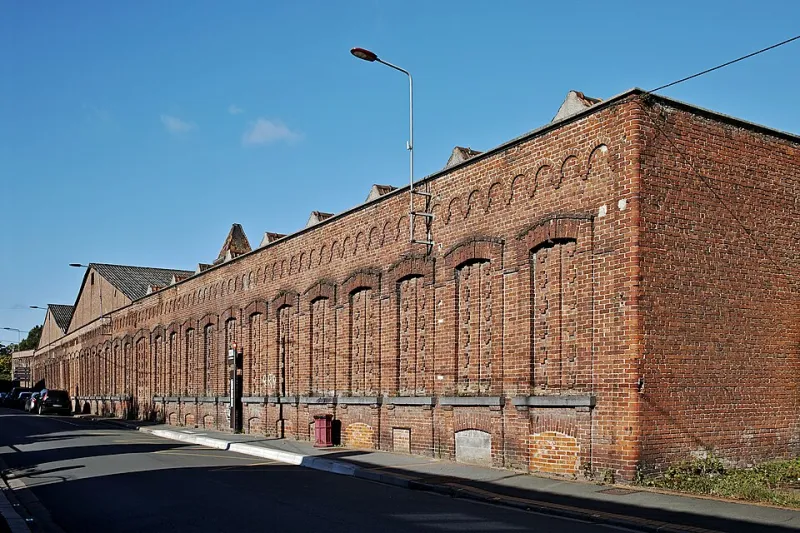
Photo: Velvet, CC BY-SA 4.0, via Wikimedia Commons
Walk into any major American clothing retailer today and you'll see sustainability messaging everywhere. Recycled materials. Responsible sourcing. Ethical supply chains. The signage is confident, the language is warm, and the cotton-forward branding is prominent.
What you won't see, in most cases, is American-grown and American-milled cotton. Not because it doesn't exist. Not because it isn't competitive on quality. But because a set of deeply embedded retail economics has systematically made it harder for domestic cotton to find shelf space in the stores that most Americans shop.
This isn't a conspiracy in the dramatic sense. There's no back-room agreement between retailers and foreign cotton producers. It's quieter and more structural than that — which is actually what makes it so hard to dislodge.
How Retail Margins Drive Sourcing Decisions
To understand what's happening, you have to start with how large retailers actually make their decisions about what to stock.
For most big-box and fast-fashion retailers, the primary driver of sourcing decisions isn't quality, origin, or sustainability — it's margin. The question isn't "what's the best cotton we can offer customers?" It's "what's the lowest cost at which we can produce a product that customers will accept?"
American-grown cotton and American-milled fabric carry higher costs than imported alternatives. US labor standards, environmental regulations, and raw material pricing all contribute to a cost structure that simply can't match what's achievable in countries with fewer regulatory requirements and significantly lower wages. That cost difference gets reflected in the wholesale price that retailers pay — and retailers, operating on thin margins at high volume, respond predictably.
The result is that American cotton rarely makes it to the first round of sourcing conversations at major retail chains. It's not evaluated and rejected. It's mostly not evaluated at all.
The Sustainability Gap Nobody Talks About
Here's where things get genuinely frustrating for domestic producers: many of the same retailers that exclude American cotton from their supply chains are simultaneously running high-profile sustainability campaigns.
The logic they use is worth examining. Retailers will often point to certifications — organic cotton from India or Turkey, for example — as evidence of their sustainability commitments. And some of those certifications do reflect real improvements in farming practices.
But they tend to sidestep a different kind of environmental math: transportation. American cotton that's grown in Texas, ginned in the South, and milled domestically has a radically different carbon footprint than cotton that travels across multiple continents before arriving at a US distribution center. The supply chain miles alone tell a story that most retailer sustainability reports don't want to engage with directly.
American cotton production is also subject to some of the strictest environmental regulations in the world. US farmers operate under EPA standards that govern pesticide use, water management, and soil conservation at a level that many foreign cotton-producing regions simply don't match. When a retailer chooses imported cotton over domestic, they're often trading a higher regulatory standard for a lower price point — and calling it a sustainability win.
The Shelf Space Problem
Even when smaller American mills manage to produce competitive products, they face a structural disadvantage that has nothing to do with quality: shelf space allocation.
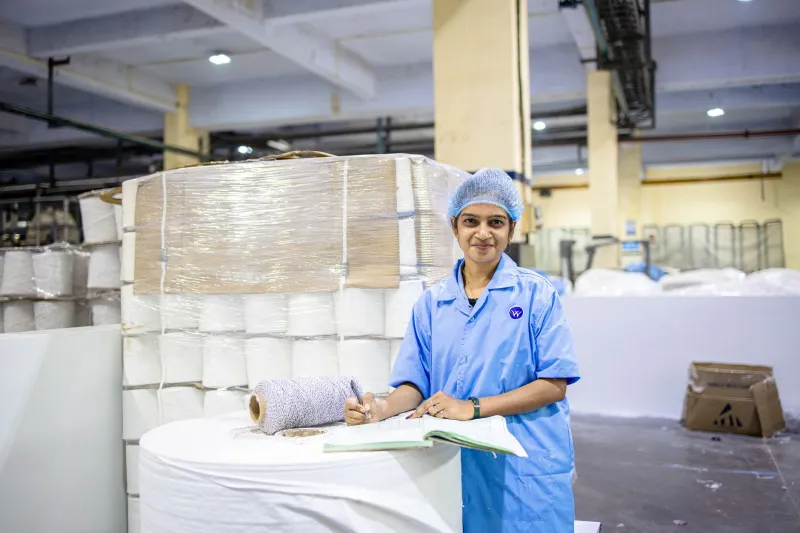
Large retailers work with large suppliers. The economics of retail logistics favor vendors who can deliver massive quantities consistently, hit aggressive price targets, and absorb the cost of chargebacks and returns without flinching. Domestic cotton mills — particularly the independent and mid-sized operations that have survived decades of industry consolidation — often can't meet those volume requirements.
This creates a self-reinforcing cycle. American mills don't get shelf space because they can't match the scale of overseas suppliers. Because they can't access mainstream retail channels, they can't grow. Because they can't grow, they can't achieve the scale that would make them competitive for those retail contracts. The door stays closed.
It's worth noting that this dynamic accelerated significantly in the 1990s and 2000s as major retailers consolidated buying power and shifted sourcing aggressively toward low-cost overseas production. Entire regional textile industries — communities in the Carolinas, Georgia, and Alabama that had built their economies around cotton mills — were effectively priced out of mainstream retail in the span of a decade.
What "Made in USA" Actually Has to Compete Against
The pricing gap between American-made cotton goods and imported alternatives is real, and it's worth being honest about its scale.
A basic cotton tee sourced from an overseas manufacturer and sold through a major retailer might carry a wholesale cost of $4 to $8. A comparable tee made from American cotton, cut and sewn domestically, might cost $18 to $25 at wholesale. That's not a rounding error — it's a fundamental difference in cost structure that reflects genuine differences in labor standards, regulatory compliance, and raw material pricing.
Retailers pass that gap on to consumers in the form of price differential, and then let consumers make the call. Except consumers rarely have the full picture when they're standing in the aisle. They see a $14 tee and a $45 tee, and without context about what drives that difference, the cheaper option wins most of the time.
The playing field isn't level, and the information asymmetry is part of what keeps it unlevel.
The Quiet Resistance
None of this means American cotton is finished. Far from it.
What's happened is that domestic production has largely migrated away from mainstream retail toward direct-to-consumer channels, specialty retailers, and brands that have made American origin a genuine part of their identity rather than a marketing footnote. These brands — and the mills that supply them — have found audiences willing to pay for transparency, quality, and the knowledge that their purchase supports domestic jobs and domestic farming communities.
It's a smaller market than the mass retail channel. But it's a loyal one. And it's growing.
Consumers who've been through the cycle of buying cheap imported cotton, watching it fall apart, and replacing it repeatedly are increasingly doing the cost-per-wear math and arriving at a different conclusion. American-made cotton goods that last five to ten years are often cheaper in the long run than cheaper alternatives that need replacing annually.
What You Can Actually Do
The structural problems in retail sourcing aren't something any individual consumer can fix alone. But the aggregate of individual purchasing decisions is exactly what shifts market incentives over time.
Buying American cotton when you can — even occasionally, even just for the basics — sends a signal through the supply chain. It supports the mills and farmers that are still operating domestically. It puts money into the communities that cotton built and that are working hard to stay viable.
Ask brands where their cotton comes from. Read the fine print on sustainability claims. When a retailer tells you their cotton is "responsibly sourced," it's a fair question to ask: responsibly sourced from where, and at what distance?
The shelf space politics that have squeezed American cotton out of mainstream retail didn't happen overnight. Reversing them won't happen overnight either. But it starts with understanding what's actually going on behind the labels — and making choices accordingly.