Thread Count Is a Lie: What Bedding Brands Don't Want You to Figure Out

You're standing in the bedding aisle — or scrolling through a product page at midnight — and you see it: 1,800 Thread Count Egyptian Cotton Luxury Sheet Set, $39.99. It sounds incredible. It sounds like the kind of thing a five-star hotel would use. You add it to your cart.
Then you wash it twice and it pills like a wool sweater left in a hot dryer.
This isn't bad luck. It's the plan.
The thread count game is one of retail's most successful long cons, and it's been running for so long that most Americans have no idea they're being played. Let's break down exactly how it works — and what numbers you should actually be paying attention to.
How Thread Count Became a Marketing Weapon
Thread count, at its most basic, refers to the number of threads woven into one square inch of fabric — horizontal threads (weft) plus vertical threads (warp). In theory, more threads per inch means a denser, softer, more durable weave. Simple enough.
The problem is that manufacturers figured out they could inflate this number without actually improving the fabric. The most common trick? Counting plied yarns as individual threads.
Here's what that means. A two-ply yarn is made of two fibers twisted together. An honest count would treat that as one thread. A dishonest count — which is now extremely common — counts each fiber separately, effectively doubling the thread count without changing anything about the actual weave. A sheet with a real thread count of 400 suddenly gets marketed as 800. Add a third ply and you're at 1,200. The math is easy. The fabric is still cheap.
Some manufacturers go even further, using thinner, lower-quality fibers specifically because they can cram more of them into a square inch, jacking up the number while the fabric itself is flimsy and rough. The end result is a sheet set with an enormous number on the packaging and a lifespan measured in months.
The "Egyptian Cotton" Problem
While we're at it, let's talk about the other favorite buzzword in the bedding world: Egyptian cotton. The phrase conjures images of ancient luxury, long fibers, and unmatched softness. And genuine Egyptian cotton — grown in Egypt's Nile Delta, made from long-staple Gossypium barbadense plants — really is excellent stuff.
The catch? A 2016 investigation by the Better Cotton Initiative and subsequent reporting found that a massive percentage of products labeled "Egyptian cotton" in the US market contained little to none of the real thing. Some contained zero Egyptian cotton. The labeling rules are loose, enforcement is nearly nonexistent, and consumers have no practical way to verify a claim on a package.
So you're paying a premium for a name that may mean absolutely nothing about what's actually in your sheets.
What Actually Makes a Sheet Worth Buying
Okay, so thread count is unreliable and origin labels are often fabricated. What should you actually look for? A few things genuinely matter.
Fiber length. This is arguably the most important factor in sheet quality. Longer cotton fibers — called long-staple or extra-long-staple — produce smoother, stronger, less pill-prone yarn. American Pima cotton, grown right here in the US Southwest, is one of the finest long-staple cottons in the world. It doesn't need a fake Egyptian passport to prove it.
Weave type. Percale (a plain, one-over-one-under weave) gives you a crisp, cool feel — great for hot sleepers. Sateen (a four-over-one-under weave) has a silkier surface and a slight sheen. Neither is universally better; it comes down to how you sleep. But both should be evaluated on their weave quality, not their thread count.
A realistic thread count. Here's the honest truth: anything between 200 and 400, made from quality long-staple cotton, is genuinely excellent. The sweet spot that most textile experts point to is 300 to 400 for percale and 300 to 500 for sateen. Above that, you're often getting into multi-ply inflation territory. If a brand is advertising 800, 1,000, or 1,500 thread count sheets, that number should raise immediate red flags — not excitement.
Transparency from the brand. Can the company tell you where the cotton was grown? Who wove it? What ply the yarn is? If the answer to any of those questions is a vague non-answer or a redirect to marketing language, that's your sign.
Why American-Made Cotton Sheets Play It Straight
Here's where American manufacturing has a real, practical advantage — and it's not just patriotism talking.
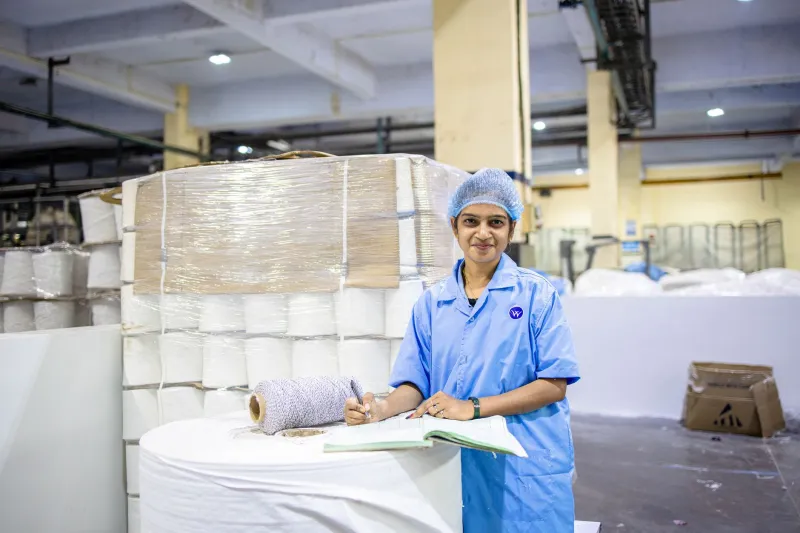
When a brand sources cotton domestically, mills it domestically, and sells directly to consumers, the supply chain is short enough that honesty is easier to maintain. There aren't four middlemen between the cotton field and your bedroom, each one adding a little creative labeling along the way. American mills operating under domestic labor and quality standards have accountability built into their process in a way that sprawling overseas supply chains simply don't.
American-grown Pima and Upland cotton are both well-documented, well-regulated fiber sources. When a brand tells you your sheets are made from US-grown long-staple cotton, that claim can actually be verified — by the USDA, by certification programs, and by the kind of supply chain transparency that's only possible when everything happens close to home.
That's not a small thing. In an industry where the baseline assumption is that the number on the package is made up, knowing your sheets are what they say they are is genuinely worth something.
How to Shop for Sheets Without Getting Burned
Next time you're in the market for new bedding, here's a quick checklist to keep in your back pocket.
- Ignore any thread count above 500. It's almost certainly inflated.
- Ask about fiber length. Long-staple or extra-long-staple cotton is what you want.
- Look for single-ply yarn. Multi-ply inflates the count without improving the fabric.
- Check for actual origin information. "Egyptian cotton" without certification means nothing. US-grown cotton with a traceable source means something.
- Read the return policy. Brands confident in their product stand behind it. Brands selling inflated hype prefer you can't return it.
- Feel the weight. A quality cotton sheet has substance to it. Flimsy, papery sheets — no matter what the thread count says — won't hold up.
The Bottom Line
The bedding industry has spent decades teaching Americans to chase a number that manufacturers can manipulate at will. It's a brilliant piece of misdirection — keep shoppers focused on thread count and they'll never ask the questions that actually matter.
The good news is that once you know the trick, it stops working. Quality cotton sheets made from genuine long-staple American fibers, woven honestly and sold transparently, are out there. They don't need a four-digit thread count to justify themselves. They just need to be good — and they are.
Sleep on that.