Back to Basics: How Gen Z Fell Out of Love with Synthetics and Into American Cotton
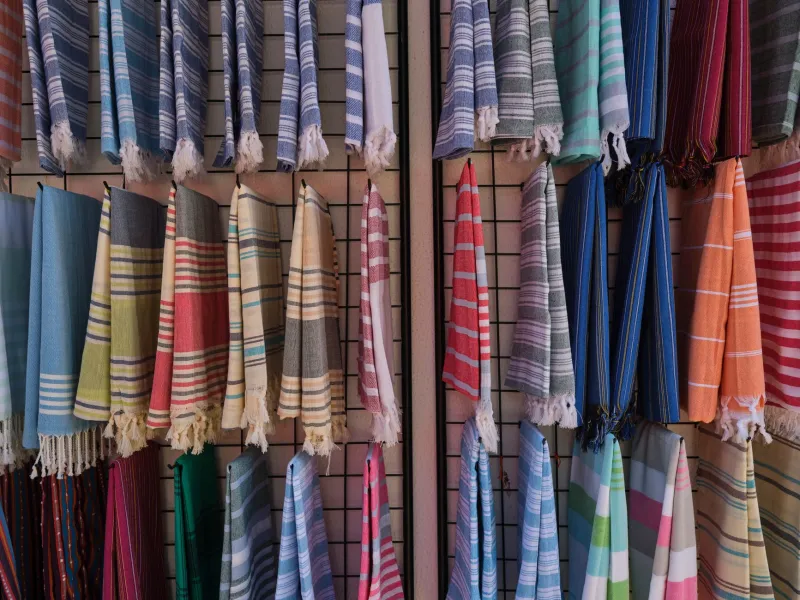
There's a quiet rebellion happening in closets across the country, and it doesn't look like what you'd expect. No safety pins, no band tees (well, maybe some band tees). Instead, it looks like a well-worn 100% cotton Oxford, a set of breathable jersey sheets, and a growing refusal to buy anything with "polyester blend" on the label.
Gen Z — the cohort born roughly between 1997 and 2012 — is increasingly pushing back against synthetic fabrics and the fast fashion machine that's been pumping them out for decades. And in doing so, they're landing on something their grandparents already knew: cotton just works.
The Polyester Problem Nobody Talked About (Until Now)
For years, synthetic blends were sold as the smart choice. Wrinkle-resistant. Moisture-wicking. Affordable. The marketing was slick, and for a while, it stuck. But Gen Z grew up with the internet, and with it came access to a level of product transparency that previous generations never had.
They started reading labels. Then they started Googling what those labels actually meant.
What they found wasn't pretty. Polyester, nylon, acrylic — these are all petroleum-derived plastics. Every time you wash a synthetic garment, it sheds microplastics that flow through wastewater systems and into waterways. A single load of laundry can release hundreds of thousands of microfibers. Studies have found them in drinking water, in fish, and increasingly, in human blood.
For a generation that came of age during climate anxiety and environmental reckoning, that information hit differently. "I started looking at my clothes like I look at food ingredients," says Maya, a 24-year-old graphic designer in Austin. "Once I realized half my wardrobe was basically plastic, I couldn't un-see it."
Grandma Was Right All Along
Here's the thing about cotton — it's not a trend. It's a fiber that humans have been cultivating and wearing for thousands of years, and for good reason. It breathes. It softens with age. It doesn't trap heat or make that weird swishy sound when you walk. It doesn't give you that gross, synthetic-sweaty feeling after an hour in a warm room.
Gen Z is rediscovering all of this, and they're doing it with the same enthusiasm they bring to thrifting vintage Levi's or sourdough bread baking. There's a romanticism to returning to something real — something that came from the ground rather than a refinery.
"My grandmother had cotton everything," says Jordan, a 21-year-old college student in Nashville. "Her sheets were soft in this specific way that I've been chasing forever. I finally realized it's because they were real cotton, and she'd washed them a hundred times. You can't fake that."
American cotton farmers have been growing some of the world's most consistent, high-quality fiber for generations. The U.S. is one of the top cotton-producing nations globally, with major growing regions in Texas, the Mississippi Delta, and the Southeast. That fiber feeds mills that — when they're still operating — produce fabric with a traceability and quality standard that imported synthetics simply can't match.
Skepticism as a Shopping Strategy
Gen Z didn't just become suspicious of synthetic fabrics. They became suspicious of the entire fast fashion ecosystem — and that skepticism is reshaping retail in real time.
They watched brands get called out for greenwashing. They saw "sustainable collections" that were 96% polyester. They tracked the lifecycle of a $7 tank top and didn't like what they found. So they started asking harder questions: Where was this made? What's it made of? Who made it, and were they paid fairly?
American-made cotton products hold up well under that scrutiny. When a garment is grown, spun, woven, and sewn domestically, the supply chain is shorter and more transparent. You can often trace the fiber back to a specific region. You know it was produced under U.S. labor laws. That matters to a generation that has made brand accountability a core part of how they spend.
"I'd rather buy one good shirt that I know was made right than five cheap ones I feel guilty about," says Priya, a 26-year-old in Portland. "It's not even about being bougie. It's about not wanting to be part of something I think is wrong."
What This Means for American Textile Mills
The shift in consumer sentiment is already being felt upstream. American cotton producers and the mills that work with domestic fiber are reporting renewed interest from brands that want to meet this demand — particularly smaller, direct-to-consumer labels that have built their identity around authenticity.
It's not a full reversal of the offshoring trend that gutted so many mill towns over the past few decades. That damage was deep, and rebuilding domestic textile capacity takes time, investment, and sustained consumer commitment. But there are real signs of life.
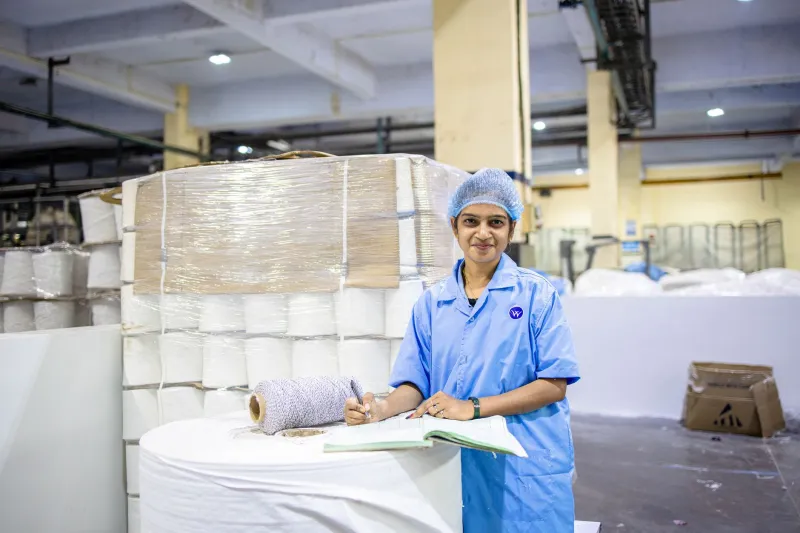
Smaller mills in the Carolinas and Georgia are adding shifts. Yarn spinners are fielding more inquiries from brands that previously sourced everything overseas. And the conversation around "Made in USA" has shifted from a patriotic marketing angle to a genuine quality and ethics argument — one that resonates with younger buyers in a way that flag-waving alone never quite did.
For American Cotons, this is the whole point. Pure cotton, made right here. Not because it's a slogan, but because it reflects a set of values that more and more shoppers — especially younger ones — are actively seeking out.
The Feel Factor Is Real
Beyond the ethics and the environmental math, there's something more immediate driving Gen Z toward natural fibers: they just feel better.
Synthetics have a ceiling. They don't really improve with wear and washing. A polyester shirt from three years ago is pretty much the same shirt it was on day one — and not in a good way. Cotton, especially quality American cotton, evolves. It gets softer. It molds to you. It develops a kind of character that synthetic blends simply can't replicate.
In an era of digital everything, tactile authenticity carries real weight. A generation that spends enormous amounts of time in virtual spaces seems to be craving something they can actually feel — something grounded and genuine.
"There's a comfort to wearing natural fiber that I don't know how to fully explain," says Maya. "It just feels like less is between me and the world. Less artificial."
A Shift Worth Paying Attention To
Generational shopping trends come and go, but this one has roots that go deeper than aesthetics. It's tied to environmental awareness, supply chain ethics, a rejection of disposability, and — maybe most powerfully — a desire for things that actually last.
Gen Z isn't just buying differently. They're thinking differently about what clothing is for. And in doing so, they're landing somewhere that American cotton growers, mills, and makers have been waiting for them to arrive.
Grandma knew. Now the grandkids are figuring it out too.