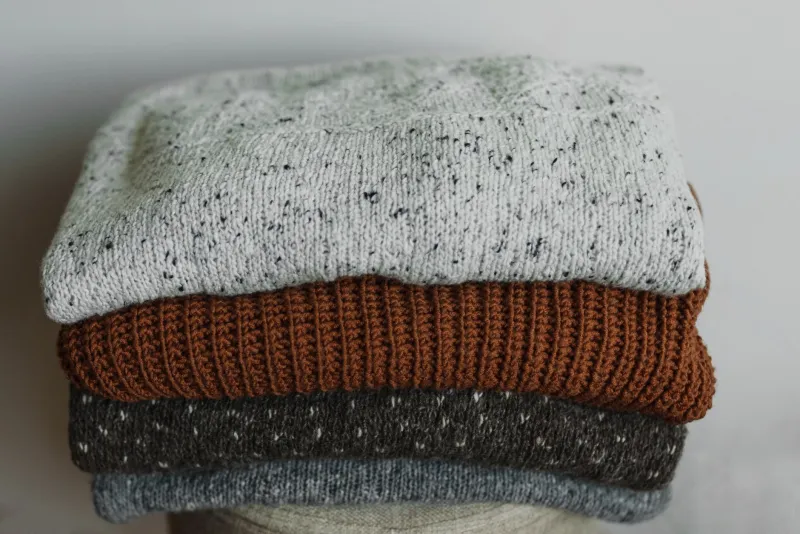
Fewer Pieces, More Outfits: How to Build a Cotton Capsule That Actually Works
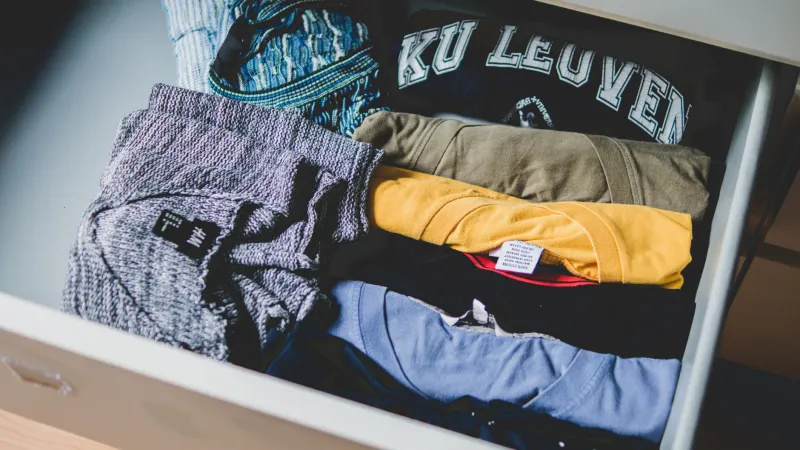
Let's be honest — most of us own too many clothes and still feel like we have nothing to wear. Sound familiar? That's not a you problem. That's a closet problem. Specifically, it's a closet full of impulse buys, synthetic fabrics that pill after three washes, and pieces that don't play well with anything else you own.
The fix isn't buying more. It's buying smarter. And if you're going to invest in a tighter, more intentional wardrobe, American-made cotton basics are the obvious place to start.
Here's how to do a real cotton closet reset — one that actually sticks.
What Is a Capsule Wardrobe, Really?
The term gets thrown around a lot, but the concept is simple: a small collection of versatile, high-quality pieces that work together in multiple combinations. Think of it less like a fashion project and more like building a toolkit. Every item earns its spot by doing more than one job.
The goal isn't minimalism for its own sake. It's intentionality. You want clothes that fit well, feel good, hold up over time, and don't require a PhD to style. American-made cotton checks all of those boxes — and then some.
Start With the True Basics
Before you go shopping, take stock of what you already have. Pull everything out, be ruthless, and identify the gaps. A solid cotton capsule for most people comes down to a handful of core categories:
The Classic Tee — This is your workhorse. You want two to four in neutral tones: white, black, heather gray, and maybe a navy or olive. Look for US-made brands using 100% American cotton with a substantial weight (around 5–6 oz per square yard). Lighter tees look cheap fast. A well-made American cotton tee will drape better, breathe better, and outlast a stack of fast-fashion alternatives.
The Button-Up — One crisp white Oxford and one chambray or mid-blue option covers a lot of ground. Worn tucked, untucked, layered over a tee, or tied at the waist — a quality cotton button-up is one of the most flexible pieces in any wardrobe. Seek out US makers who use ring-spun or combed cotton for that smooth, durable finish.
The Perfect-Fit Jeans — American denim has a whole history behind it, and domestic mills are doing some of their best work right now. For a capsule, one dark wash and one mid-wash pair gives you dressed-up and casual covered. Selvedge denim from domestic producers tends to mold to your body over time, which means they actually get better with wear.
Everyday Underwear and Socks — People sleep on this category, but it matters. American-made cotton underwear and socks are softer, more breathable, and significantly less likely to lose their shape after a dozen washes. If your basics start at the skin, everything on top performs better too.
A Versatile Chino or Trouser — One pair in a neutral (khaki, stone, or black) bridges the gap between casual and smart-casual better than almost anything else. In cotton twill or canvas, these hold structure without feeling stiff.
The Mix-and-Match Math
Here's where capsule thinking really pays off. If you build around five to seven pieces that all work together, you're not looking at five to seven outfits — you're looking at dozens. Let's do the quick math:
- 3 tees × 1 button-up × 2 jeans × 1 chino = over 20 base combinations before you add outerwear or layering.
And because you're working with cotton pieces in complementary neutrals and tones, there's no real risk of clashing. American cotton in natural dyes and classic colorways tends to age gracefully together. That worn-in white tee looks just as good with your dark selvedge denim as it did on day one — maybe better.
The trick is sticking to a loose color palette when you shop. Warm neutrals (cream, tan, olive, rust) or cool neutrals (white, gray, navy, black) tend to play well together across a whole wardrobe. Pick your lane and stay in it.
Why Cotton Specifically?
Synthetics have their place — nobody's saying ditch your rain jacket — but for everyday basics, cotton wins on almost every front. It breathes. It softens with washing. It doesn't trap odor the way polyester does. And when it's grown and woven domestically, you know what you're getting: no mystery blends, no chemical finishing processes that off-gas for weeks, no guessing about fiber content.
American cotton is also held to higher standards at every stage of production. US agricultural regulations, labor protections, and manufacturing oversight mean the garment you put on your body has a cleaner, more traceable story from field to finished product.
Less Laundry, Less Stress
One underrated benefit of a smaller, better-quality wardrobe? You do less laundry. Not because you're wearing dirty clothes, but because quality cotton genuinely stays fresher longer. It doesn't hold odor the way synthetic blends do, and many pieces — especially denim and chinos — benefit from less frequent washing.
When you do wash, cotton is forgiving. Cold water, gentle cycle, hang to dry — that's the whole routine. No dry cleaning bills, no delicate hand-washing rituals. Simple care extends the life of each piece, which means your investment stretches even further.
Decision fatigue is real, too. When every piece in your closet works with every other piece, mornings get easier. You stop standing in front of a packed wardrobe feeling overwhelmed. You just get dressed and go.
Building It Out Over Time
You don't have to do this all at once. In fact, it's better if you don't. Start with the pieces you reach for most — probably tees and jeans — and invest there first. Replace as things wear out rather than shopping all at once. A cotton capsule built gradually, with intention, ends up more cohesive than one assembled in a weekend shopping spree.
And when you do shop, take your time. Read the labels. Ask where the cotton comes from. Look for American-made certification or brands that are transparent about their domestic supply chains. That extra five minutes of research is what separates a piece that lasts a decade from one that's in the donation bin by spring.
Your closet should work for you — not the other way around. Start with good cotton, keep it American-made, and the rest tends to fall into place.