Pure Is the New Premium: How High-End Fashion Finally Broke Up with Blends

For a long time, blending was considered smart. Mix a little polyester into your cotton, and suddenly you've got a fabric that resists wrinkles, holds its shape, and costs less per yard to produce. Luxury brands played this game just like everyone else — sometimes quietly, sometimes not. A label might say "cotton-rich" and hope you didn't flip the tag over to notice the 18% spandex hiding in the weave.
But something's changing. Slowly, then all at once, a meaningful number of high-end designers and premium apparel brands are moving away from blends entirely — and toward 100% cotton, specifically American-grown cotton. It's not a PR stunt. It's a structural shift, and it's been building for years.
What Changed in the Boardroom
Ask anyone inside the premium apparel space and they'll tell you the same thing: consumer intelligence went up. Shoppers — especially those spending real money on clothes — started reading labels more carefully. They started Googling fiber content. They started asking uncomfortable questions in DMs and comment sections.
"We used to assume that if the garment felt soft at the point of sale, the customer was satisfied," says one fabric sourcing director at a mid-to-upper-tier American brand who asked not to be named. "What we didn't account for was what happens after wash number fifteen. The polyester starts to pill. The hand feel changes. And now the customer remembers exactly what they paid, and they're not happy."
That's the quiet crisis that's been eating at the blend model for years. Synthetic fibers don't age the way cotton does. They break down differently, often visibly, and in a way that reads as cheap — regardless of what the original price tag said. For luxury brands, that's a reputational problem.
The Case for American Cotton Specifically
Not all cotton is created equal, and the industry knows it. American-grown cotton — particularly from regions like the Texas High Plains, the Mississippi Delta, and the Carolinas — has a well-documented reputation for fiber length, consistency, and cleanliness. Longer staple fibers mean smoother yarns. Smoother yarns mean finer fabrics. Finer fabrics mean a product that actually earns the "luxury" label it's wearing.
Fabric engineers who work with domestic mills point to another advantage that rarely makes it into marketing copy: traceability. When you're sourcing American cotton, you can follow the chain. You know which gin processed it, which mill spun it, which finishing house treated it. For brands that are increasingly being held accountable for their supply chains — by consumers, by regulators, and by their own internal ESG commitments — that traceability isn't just a nice-to-have. It's essential.
"The provenance question used to be something only the sustainability crowd cared about," notes one textile engineer who consults for several premium American apparel labels. "Now it's something the core luxury buyer cares about. They want to know the story. American cotton has a story you can actually tell."
Designers Are Talking About Texture Again
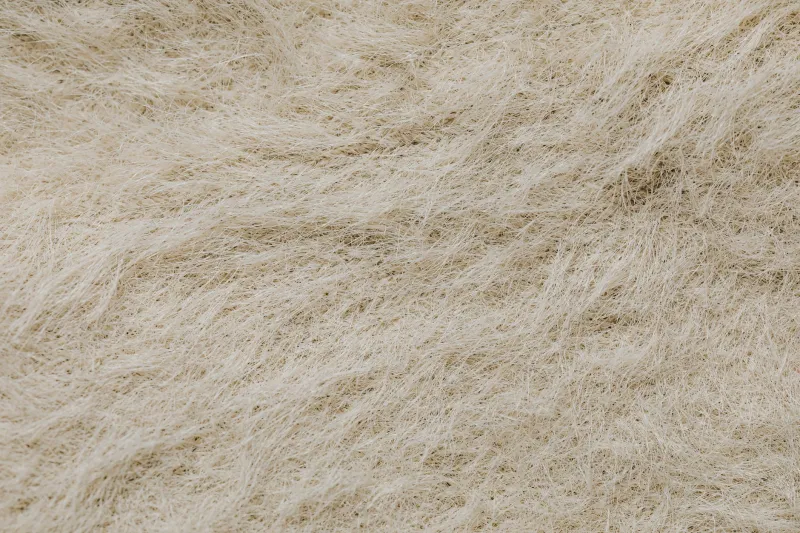
There's also a purely sensory argument happening inside design studios right now. Blends were partly adopted because they offered dimensional stability — a cotton-poly shirt holds its silhouette better through a long day. But designers working at the premium end of the market are increasingly arguing that the slight natural movement of a 100% cotton garment is a feature, not a bug.
"There's a relaxed authority to pure cotton that you just can't replicate with a blend," says one New York-based menswear designer who recently reformulated his shirting line to use only American-grown cotton. "When you put on a beautifully constructed 100% cotton shirt, there's a lived-in quality to it — even when it's brand new. Blends feel like they're trying too hard."
This is a meaningful philosophical shift. For years, luxury fashion chased a kind of engineered perfection — fabrics that didn't move, didn't breathe, didn't show the passage of time. The new luxury sensibility is more comfortable with imperfection. It values authenticity over rigidity. And in that context, pure cotton — with its natural variation, its responsiveness to the body, its honest aging process — fits the moment better than any synthetic ever could.
What the Mills Are Doing Differently
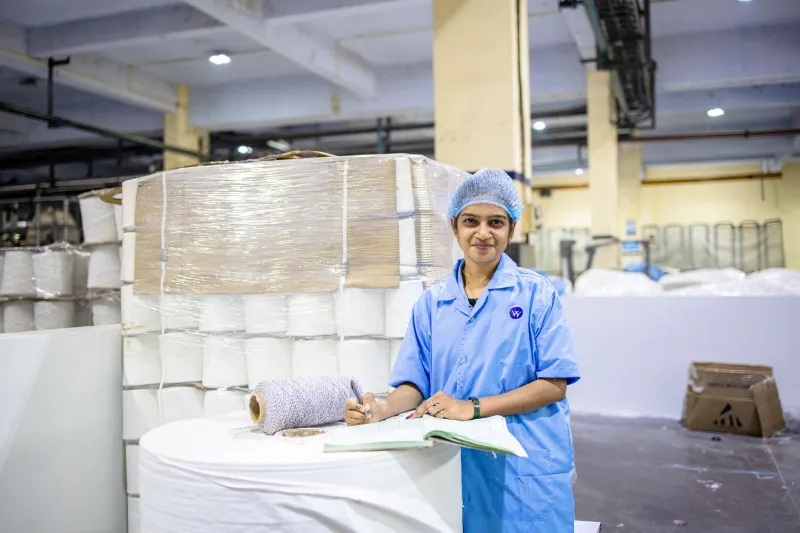
It would be unfair to credit this shift entirely to changing tastes. American cotton mills have also done real work to meet the demands of the luxury tier. Investment in ring-spinning technology, improvements in mercerization processes, and a renewed focus on open-end versus combed cotton distinctions have all raised the ceiling on what domestic mills can produce.
Some mills are now offering fabrics that compete directly with the finest Egyptian or Pima imports — at price points that make sense for brands committed to domestic sourcing. The gap that once existed between "American-made" and "world-class quality" has narrowed considerably, and in some product categories, it's effectively closed.
For brands that want to make the "Made in USA" claim authentically — meaning fiber, yarn, fabric, and finished garment all domestic — that improvement at the mill level is what makes the whole story possible.
The Consumer Who's Driving This
Put all of this together and a portrait emerges of the buyer who's actually making this shift happen. They're not necessarily the loudest voice in the sustainability conversation. They're not chasing trends. They're the person who buys less but buys better, who thinks in terms of cost-per-wear rather than sticker price, and who has grown deeply skeptical of brands that use premium pricing to cover up mediocre materials.
This buyer has been burned by blends. They bought the soft-feeling shirt that pilled by spring. They invested in the "performance" trousers that developed that telltale synthetic sheen after a year of regular wear. And they're not doing it again.
For them, 100% American cotton isn't a niche preference. It's a logical conclusion.
Where This Goes Next
The blend isn't dead — not across the whole market. There are product categories where synthetic content makes functional sense, and there are price points where the economics still favor it. But in the premium and luxury tiers, the direction of travel is clear. Pure cotton is becoming the standard that serious brands are moving toward, not away from.
And American cotton, with its combination of quality, traceability, and domestic supply chain integrity, is increasingly the version of pure cotton that matters most to the brands leading this charge.
Something that was once considered old-fashioned — choosing natural over engineered, domestic over imported, simple over complex — is starting to look a lot like the future of fashion's upper tier. That's a comeback worth paying attention to.